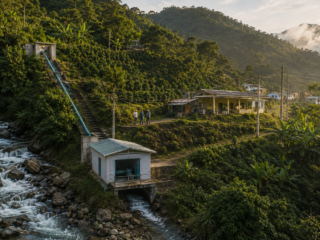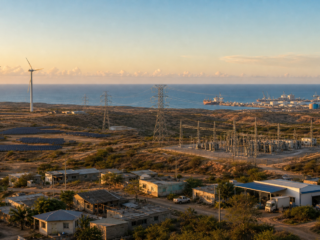

Belém do Pará, a city where the Amazon rainforest blends with rivers and history, became the center of the world during days 2, 3, and 4 of COP30. What began as an urgent call for the planet’s future transformed into a series of concrete commitments, intense debates, and signals that climate action can no longer wait.
Day 2: Awakening of Amazonian Voices
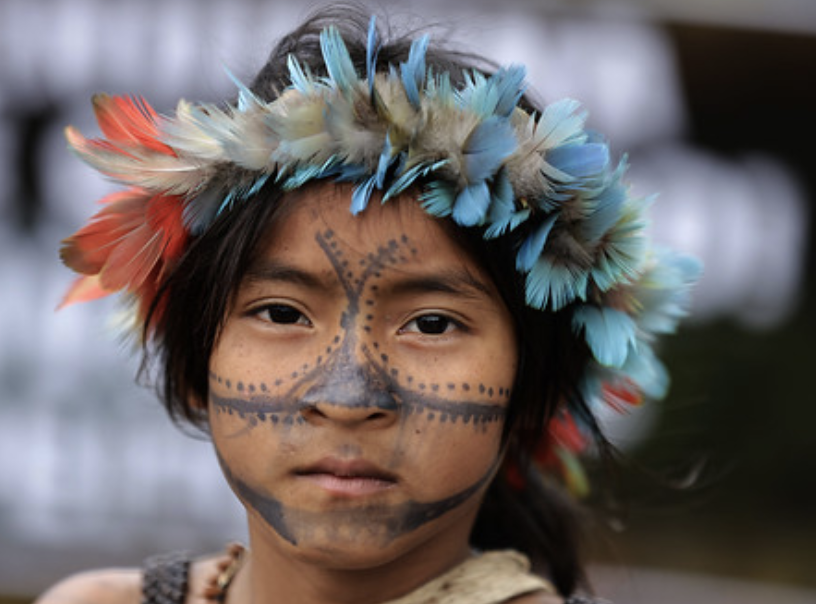
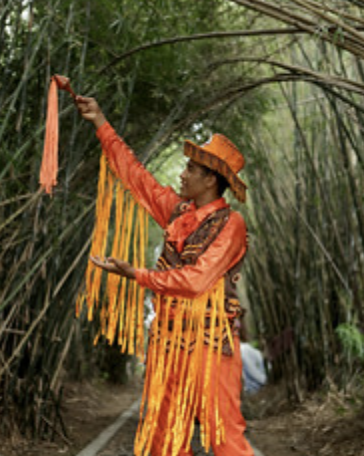
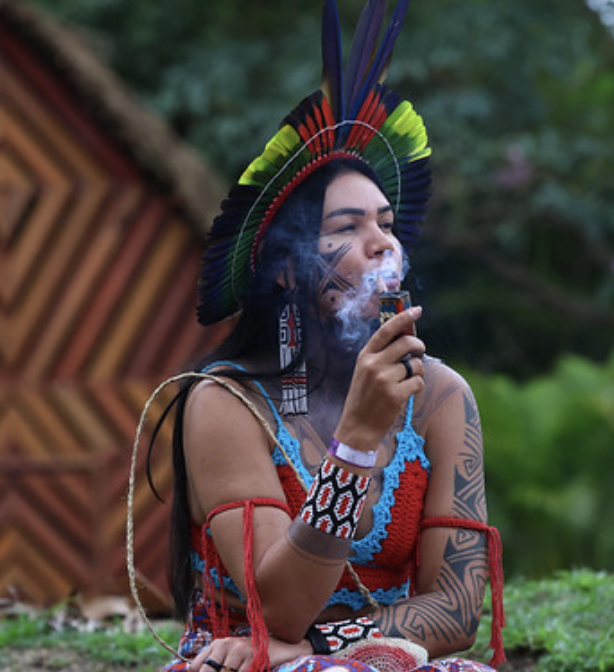
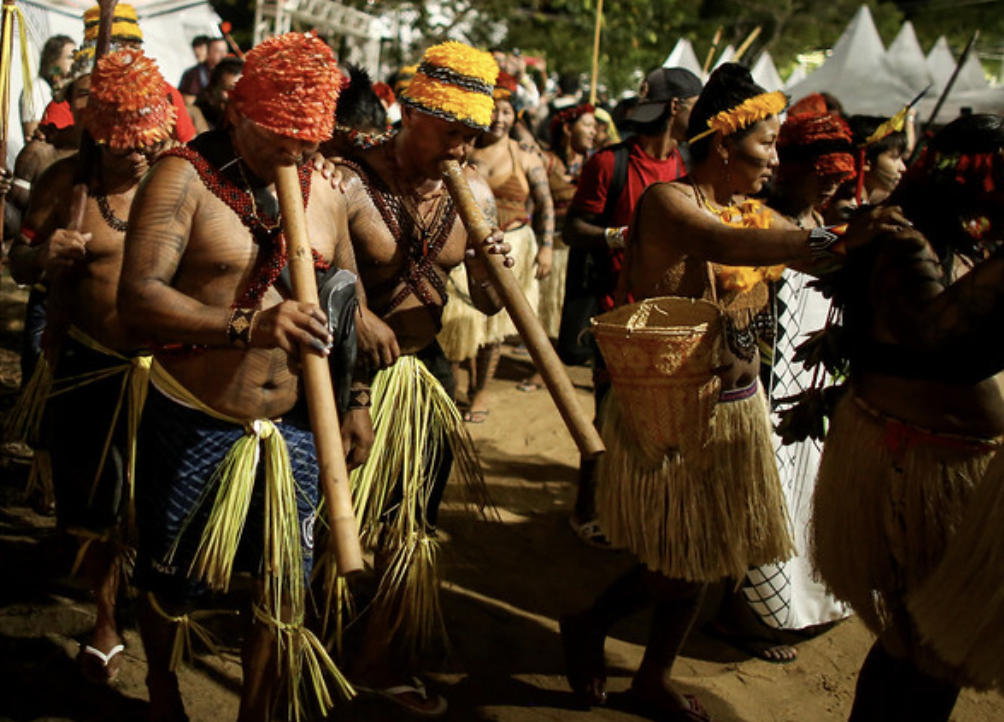
The second day carried a distinct energy. From early morning, Indigenous peoples and local communities took center stage in the pavilions, reminding global leaders that the Amazon is not a resource but a living territory.
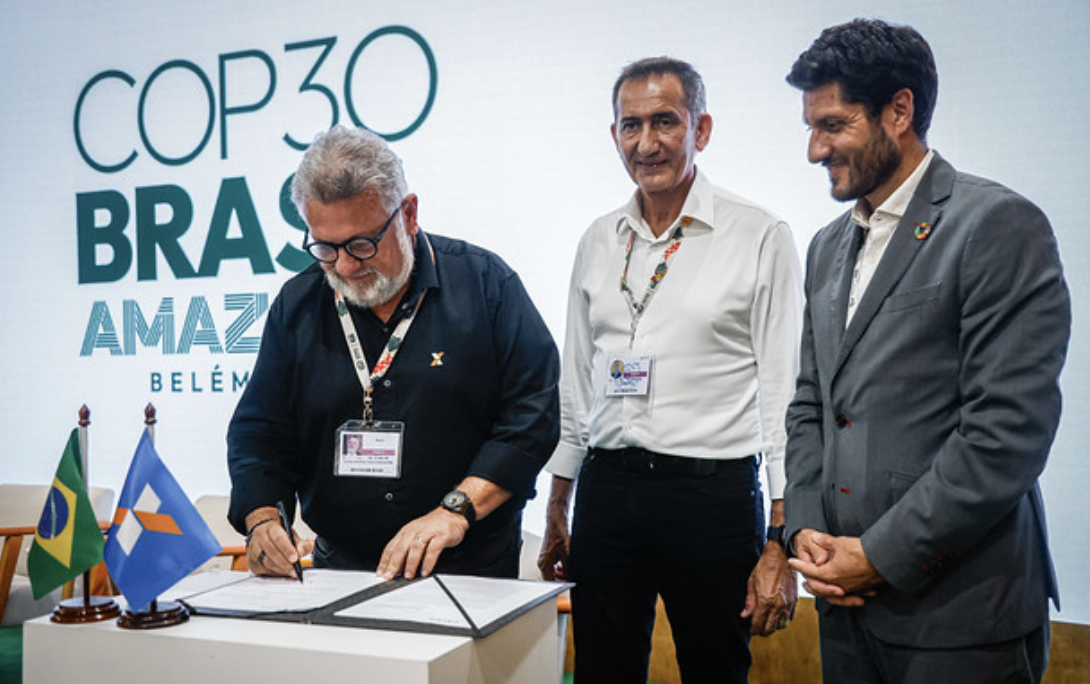
Marina Silva, Brazil’s Minister of the Environment, opened the day with a firm message: “There is no ecological transition possible if the Amazon continues to be devastated.” Around her, leaders from Ecuador, Colombia, and Peru reaffirmed their commitment to the Leticia Pact, emphasizing that protecting the biome must be financed fairly and not through debt.
During technical sessions, the Amazon Cooperation Treaty Organization (ACTO) presented its new regional forest monitoring mechanism, integrating satellite imagery and community data to measure deforestation in real time. This was seen as a crucial step toward an Amazon with self-governance and environmental sovereignty.
Meanwhile, the private sector began moving strategically: green funds from Europe and Asia announced the creation of an investment portfolio exceeding $2 billion, aimed at restoration, bioeconomy, and renewable energy projects in the Amazon region.
Day 3: Science, Innovation, and Climate Justice
The third day focused on science and innovation. In Brazil’s pavilion, results from the “Amazon Face” platform were presented, showing how forests respond to high concentrations of CO₂. The findings were striking: increased carbon is altering trees’ absorption capacity, threatening their role as a global carbon sink.
The UN biodiversity panel (IPBES) warned that species loss in Latin America has reached levels comparable to past mass extinctions, with climate change as the primary driver of this crisis.
In response, Global South countries demanded more funding for adaptation. Colombia and Chile stressed that climate commitments must include mechanisms for historical reparation: “We cannot talk about transition without talking about justice,” said Chilean Minister Maisa Rojas.
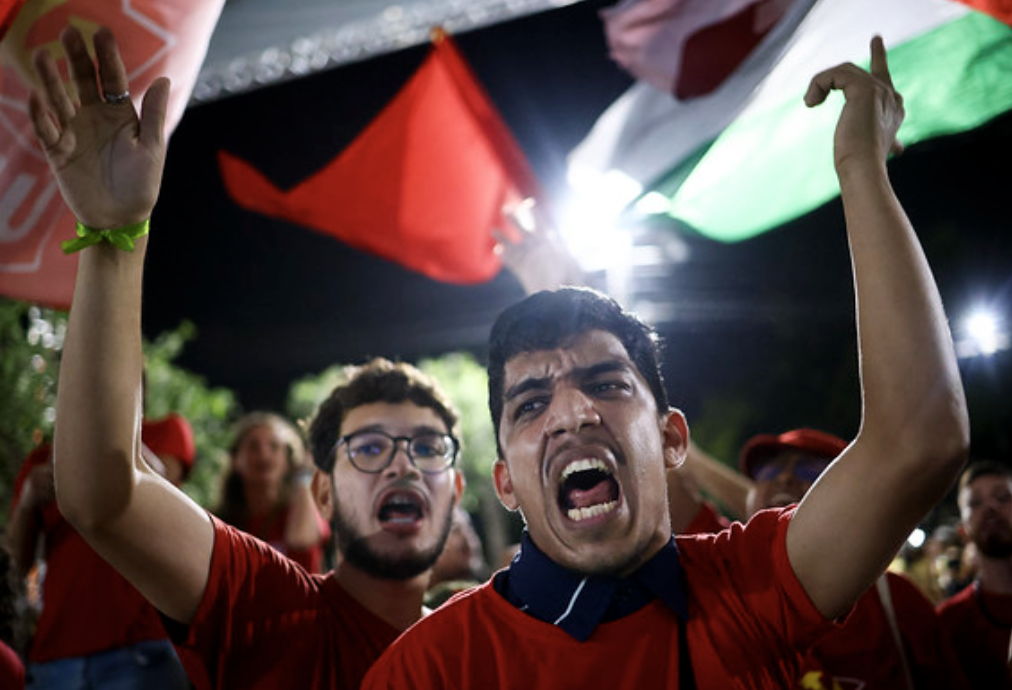
At the same time, young people took to the streets of Belém. Thousands of students and activists marched under the slogan “The Future is Non-Negotiable,” demanding that promises be translated into measurable action.
Day 4: Energy and Shared Future
The fourth day focused on energy. Debates centered on the gradual elimination of fossil fuels and the acceleration of clean energy. The International Energy Agency (IEA) highlighted that Latin America has the potential to become the first continent with a 100% renewable electricity matrix if it maintains its pace of solar and wind expansion.
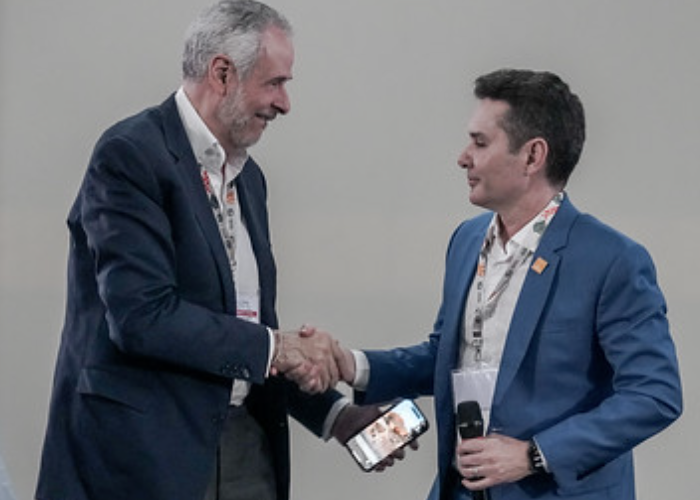
Brazil and Colombia announced a bilateral alliance to promote green hydrogen in Amazonian logistics corridors, while Mexico and Chile reinforced their commitment to decarbonizing heavy transport.
European Commission President Ursula von der Leyen also participated in an energy cooperation panel, emphasizing the importance of a “just, inclusive, and borderless” transition.
The day closed with a symbolic gesture: representatives from Indigenous peoples of nine Amazonian countries delivered a “Manifesto for Life” to the COP30 presidency, demanding territorial recognition, direct funding, and full participation in decisions affecting their forests.
“We are not beneficiaries; we are guardians,” said one leader from the Upper Rio Negro. Her voice was met with an ovation, reminding everyone that COP negotiations are won not with speeches, but with genuine will.
A Turning Point
Days 2, 3, and 4 of COP30 confirmed that the world stands at a crossroads: continue depending on a model that destroys, or build together one that regenerates. Belém became a laboratory of hope, where the rainforest, science, and justice interact as equals.
As the world watches, Latin America seems to have found its role: not only as the planet’s lung but also its conscience.
Photos: COP30.