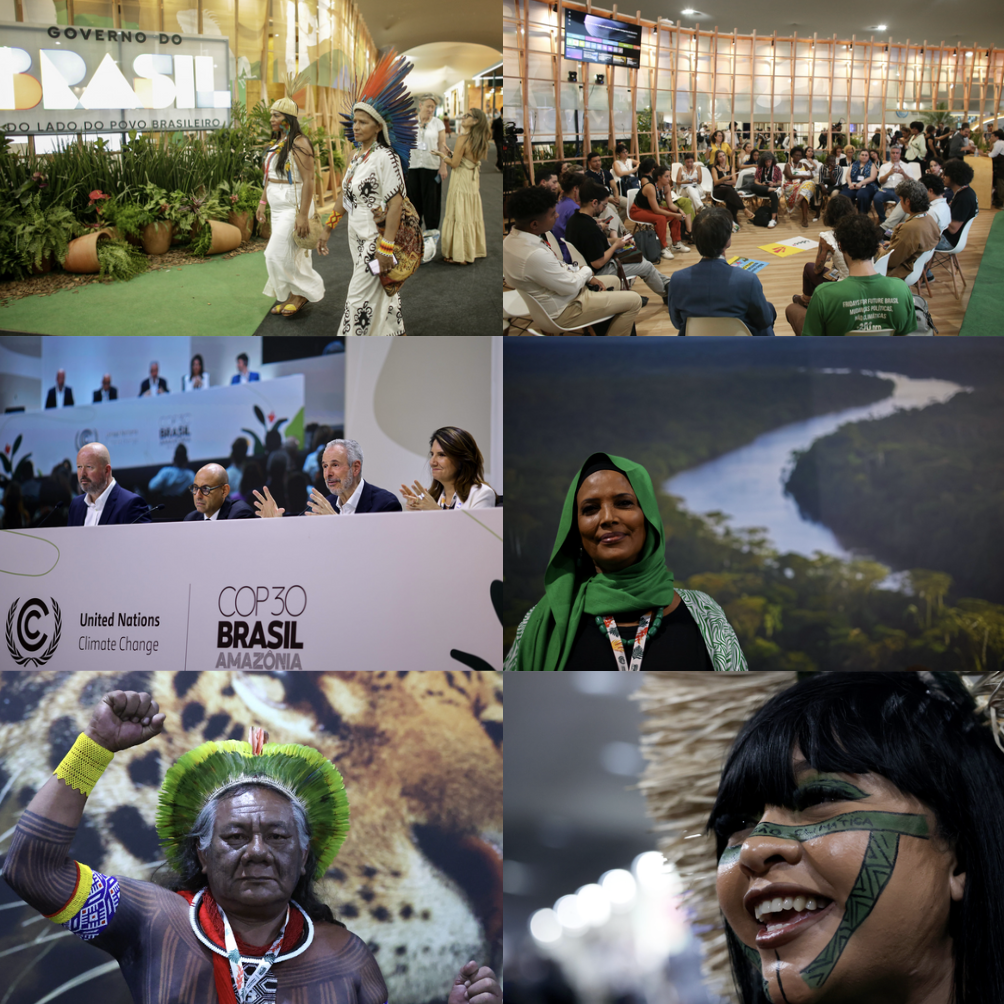

COP30 opened its doors in Belém, Brazil, with a day marked by strategic announcements, territorial focus, and clear messages about climate urgency. The first day showed that the conference aims to move beyond rhetoric and toward tangible action: land restoration, accelerated emissions reductions, and forest financing.
Restoring degraded lands: a global priority
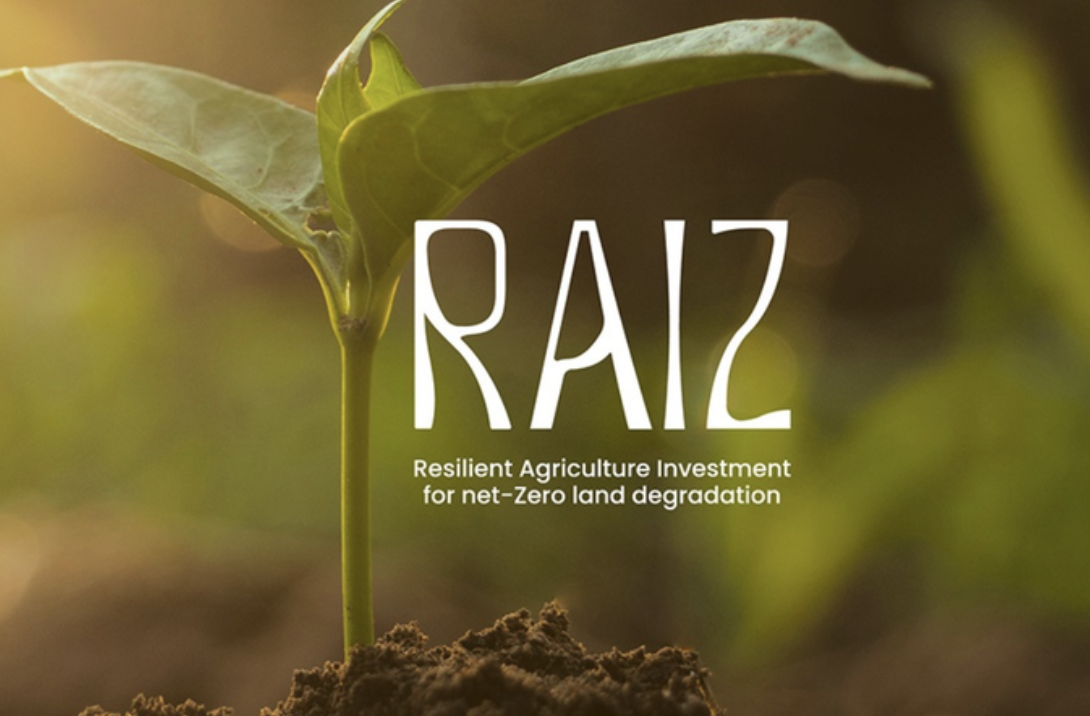
Brazil presented RAIZ (Resilient Agriculture Investment for Net Zero Land Degradation), an initiative designed to restore degraded agricultural lands worldwide. It is estimated that more than 2 billion hectares show some level of degradation, making restoration a central axis for food security, climate resilience, and biodiversity protection.
The program brings together Brazil’s Ministry of Agriculture and Livestock, other associated ministries, and international organizations. RAIZ aims to mobilize resources, promote technology exchange, and map degraded agricultural areas to prioritize sustainable investments. For countries with large affected territories, the initiative offers opportunities to scale solutions that integrate production, conservation, and rural development.
A climate emergency brake: key agreements on methane
One of the most significant announcements of the day was the rollout of a coordinated set of actions to address methane and other short-lived climate pollutants, considered up to 80 times more powerful than CO₂ in their warming potential.
During the summit, a climate action accelerator was presented to support approximately 30 developing countries in reducing these emissions by 2030. The commitment also includes mobilizing USD 150 million in its first phase, allocated to strengthen strategies in critical sectors such as agriculture, waste management, industry, and energy.
This package seeks to deliver rapid climate impact, recognizing that reducing methane could yield immediate benefits for health, air quality, and food security.
Belém as a cultural stage: art, history, and sustainability
Unlike previous climate summits, COP30 has placed strong emphasis on cultural expression as part of its agenda. The presidency introduced an artistic programming schedule taking place across museums, squares, theaters, and galleries in Belém, highlighting local knowledge, sustainable architecture, and traditional Amazonian expression.
These activities extend the summit beyond negotiation rooms and bring the climate conversation closer to the public. The choice of Belém—at the heart of the Amazon—underscores the global importance of this biome in addressing the climate crisis, protecting biodiversity, and defending Indigenous rights.
Macaozinho: artificial intelligence to democratize climate information
Another noteworthy announcement was the launch of Macaozinho, an artificial intelligence chatbot specialized in climate change. Designed to answer questions in more than 50 languages, Macaozinho was trained using official documents from international bodies and COP-related information.
Its goal is to improve public understanding of climate issues, simplify access to technical content, and support citizen engagement throughout the negotiations. The tool seeks to serve as a bridge between scientific complexity and the general public, promoting transparency and inclusion.
Regional implications: an opportunity for Latin America
The announcements made on COP30’s first day reflect an effort to accelerate global climate action, with direct implications for the Amazon region.
For countries like Colombia, these initiatives provide opportunities to strengthen soil restoration projects, mitigate methane emissions in productive sectors, access forest finance, and foster community-led conservation. They also highlight the need to integrate local and Indigenous communities in building participatory climate solutions.
Conclusion
The first day of COP30 in Belém delivered a clear message: climate action must move quickly, solutions must be grounded in the territories, and transparency is essential for real change. Through restoration initiatives, urgent measures on methane, Amazonian cultural programming, and innovative technological tools, the summit has begun with a determined focus on implementation.
The coming days will be crucial to convert these announcements into verifiable commitments, concrete financing, and programs that deliver visible results for the planet and its communities.
Some pictures of the first day at COP30: