In a world where sustainability is no longer an option but an urgent necessity, more and more ventures are seeking creative responses to today’s pressing environmental challenges. One of them is Paguro, a Colombian project that for the past five years has been transforming rubble into furniture and home décor pieces —and that recently stood out for its innovative approach at Feria Vassar, by Páramo Impacta.
We had the opportunity to speak with Azul, Communications Director at Paguro, who opened a window into the history, present, and future of this venture, born from the critical observations of two civil engineers about the industry in which they worked.
The name also carries a special meaning. “Paguro is a hermit crab that picks up shells of dead animals to shelter itself. But because of pollution, some have been seen taking refuge in trash. So, it’s considered a recycling animal, and that’s where the inspiration for our name came from,” she adds.
Trash? Nahhh, conscious design
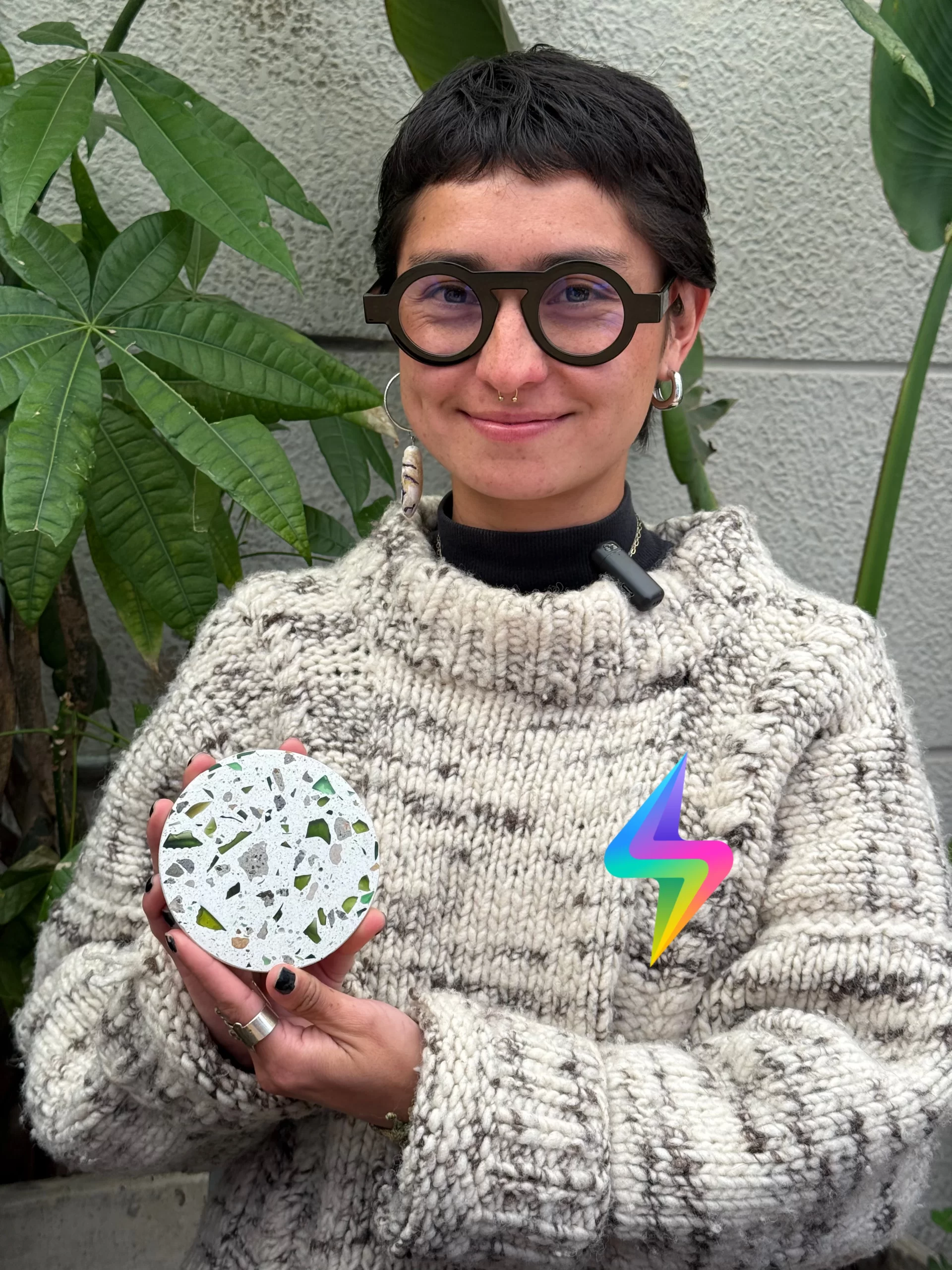
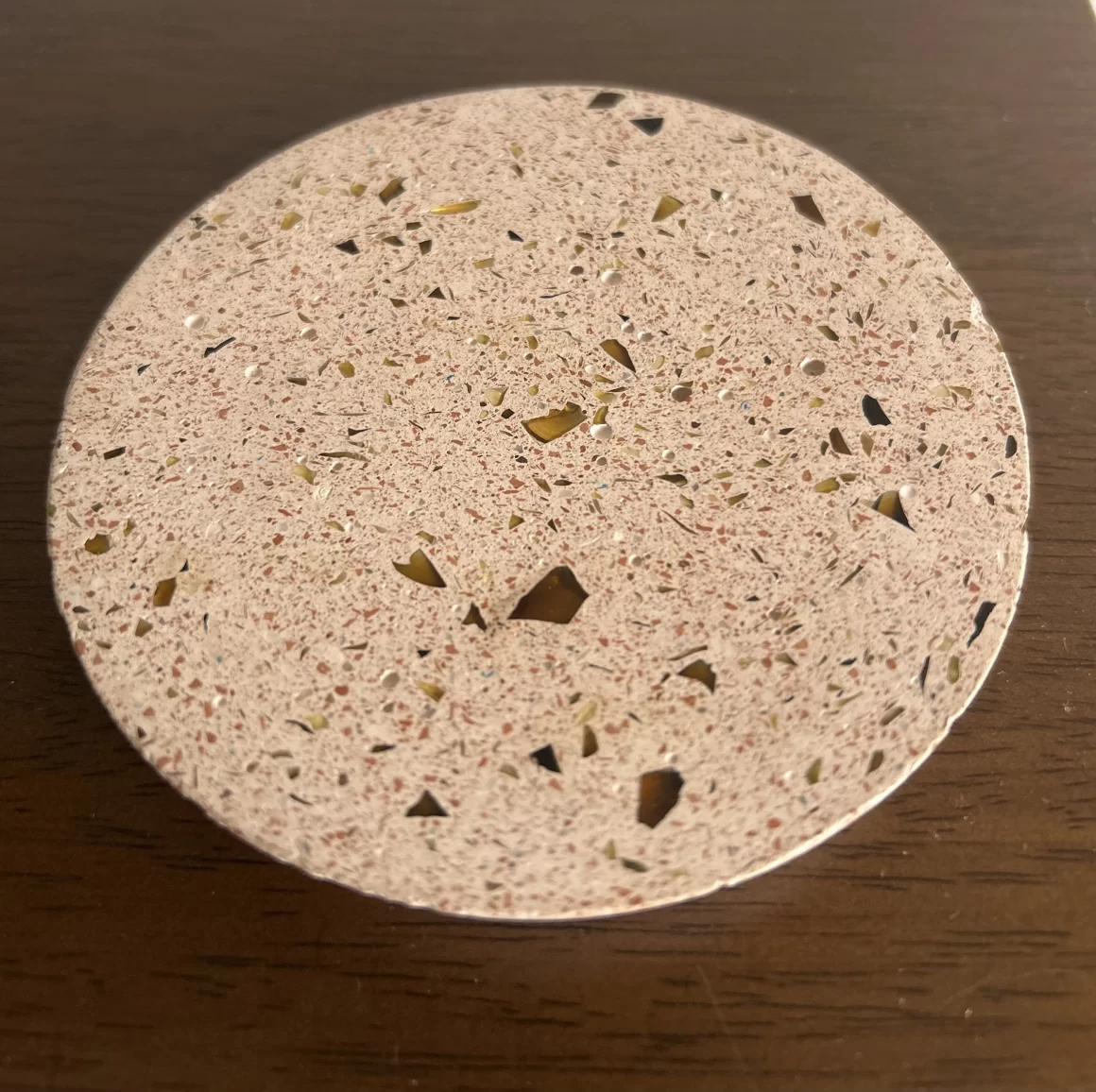
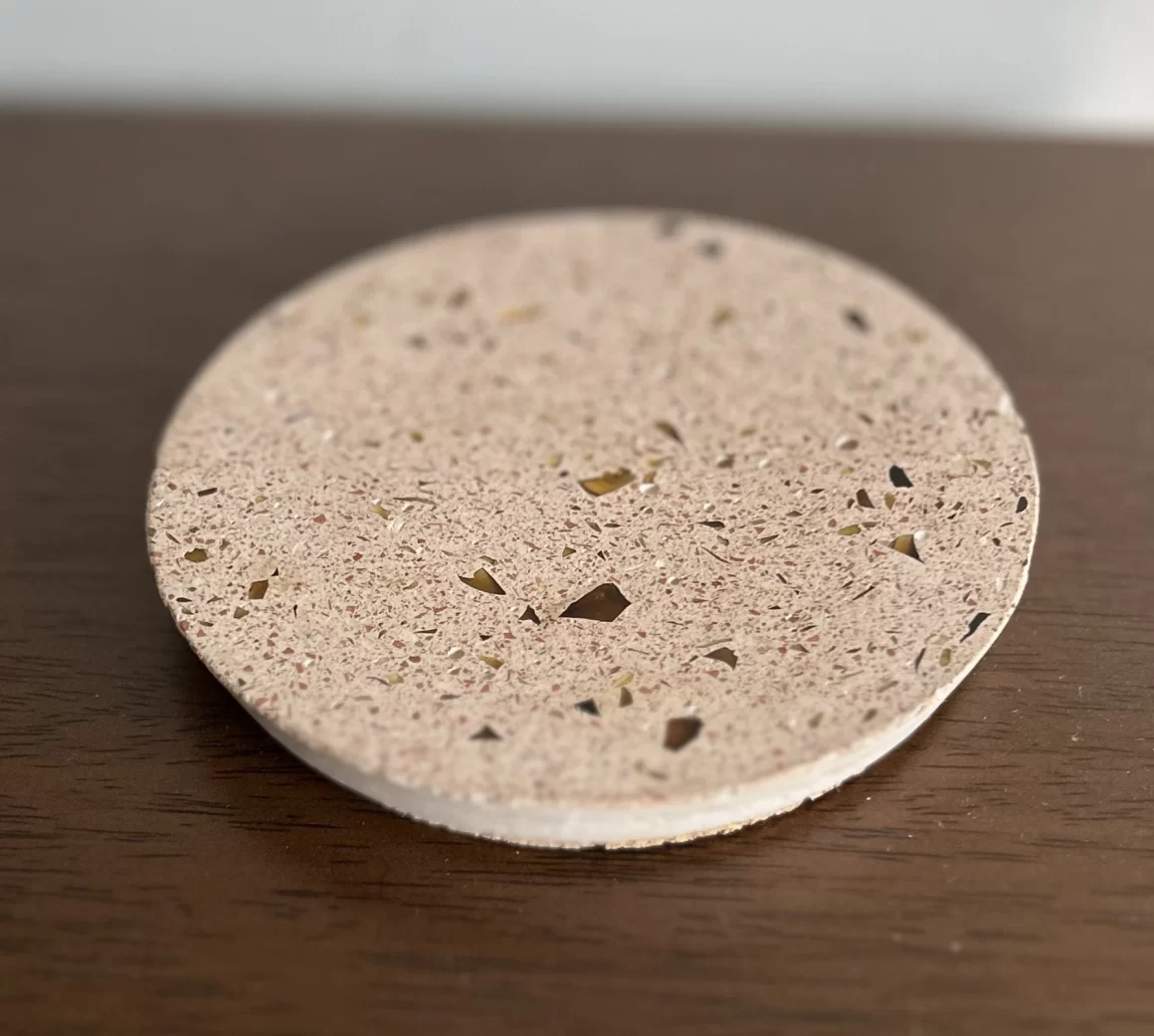
At the heart of Paguro lies the transformation of waste into objects with aesthetic and functional value. “What we do is recover rubble to create décor and furniture for the home,” Azul explains, showing unique pieces.
The surfaces they design have a distinctive hallmark: leaving recycled materials visible. “This is normally called terrazzo, but we call it sustainable or ecological terrazzo, because the aggregates are not taken from the mountains or from natural resources, but from waste,” she clarifies.
Glass, brick, ceramic, and even steel find a second life in Paguro’s products. Their catalog already features more than 50 customizable finishes, ranging from small coasters and planters to tables, dining sets, kitchen countertops, and even flooring. “Right now, we’re actually making flooring for a store in El Retiro Mall…” Azul reveals, as an exclusive for Clean Energy.
Sustainability as a principle
For Paguro, sustainability is not a slogan but the foundation of their entire model. “Paguro is sustainable because we’re not using or extracting natural aggregates for our products. We’re doing an upcycling process, which means taking something from waste and giving it much greater value.”
They also optimize their processes to reduce water footprints. “In the polishing and strengthening stages, we use rainwater. That has lowered our bills, and also made our sustainability processes inside the workshop much more effective.”
But their sustainability goes beyond the environmental and into the social. “We have alliances with waste pickers. They supply us with materials, and we pay them directly. That way, glass and other materials gain a fair value,” Azul explains, emphasizing the importance of dignifying this work.
An enterprise of challenges and dreams
Entrepreneurship is never easy—especially when working with materials that most people consider waste. Yet Paguro has found strong support from the public and the market. “Starting a business with waste in Colombia is not easy. However, over five years we’ve seen the response that it’s worth it,” Azul affirms.
Their growth has been organic, supported by fairs and the strengthening of their digital sales platform. “We’ve realized that having a good digital storefront makes all the difference for sales to happen more easily,” she adds.
Looking ahead, they also dream of a physical space of their own. “We dream of having a physical showroom, a complete experience for our clients,” Azul says.
A crab that recycles and resists
Just like the hermit crab that inspired its name, Paguro has taken refuge in waste to give it new meaning. Beyond creating beautiful and functional objects, their proposal is a reminder that what we call trash can become the foundation of a more sustainable future.