Plastic is one of the defining materials of modern life. Cheap, versatile and everywhere — but its environmental cost is becoming impossible to ignore. Millions of tons of plastic waste enter oceans and ecosystems every year, where it can persist for centuries.
One idea gaining attention is surprisingly simple: replace plastic with materials that nature already knows how to handle.
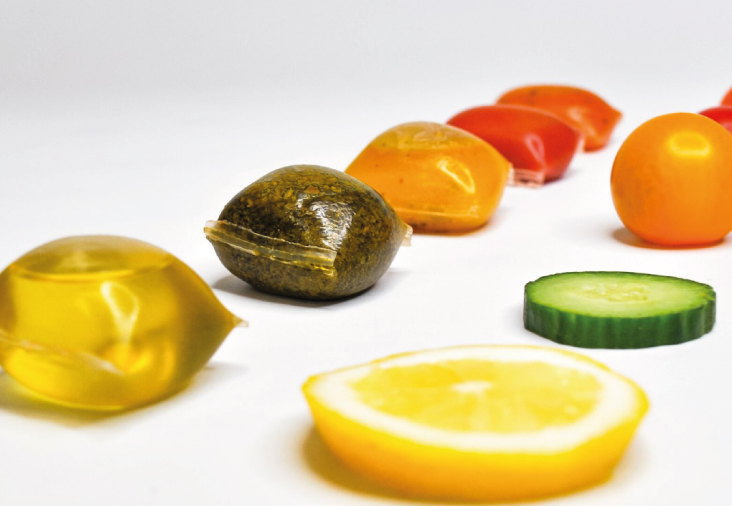
That is the approach taken by Notpla, a company developing packaging materials made from seaweed. Instead of fossil-based plastics, Notpla creates films and coatings derived from natural seaweed extracts that can be used for food containers, sachets and takeaway packaging.
Seaweed offers unusual advantages as a raw material. It grows rapidly in the ocean and requires no freshwater, fertilizers or agricultural land. This avoids many of the environmental pressures associated with conventional packaging materials.
Products made from seaweed-based materials can biodegrade in weeks rather than persisting for decades — or centuries — like many plastics.
Projects like Notpla’s are part of a broader wave of material innovation now emerging around the world and increasingly visible at gatherings such as ChangeNOW in Paris, where entrepreneurs, scientists and policymakers explore practical solutions to climate and environmental challenges.
Plastic will not disappear overnight. But materials like those developed by Notpla suggest a different direction for the future of packaging — one where materials are designed not to become waste, but to return to nature.
Learn more
Notpla
https://www.notpla.com
ChangeNOW
https://www.changenow.world