Some people leave their mark while they are here. Others leave behind something that endures long after they are gone.
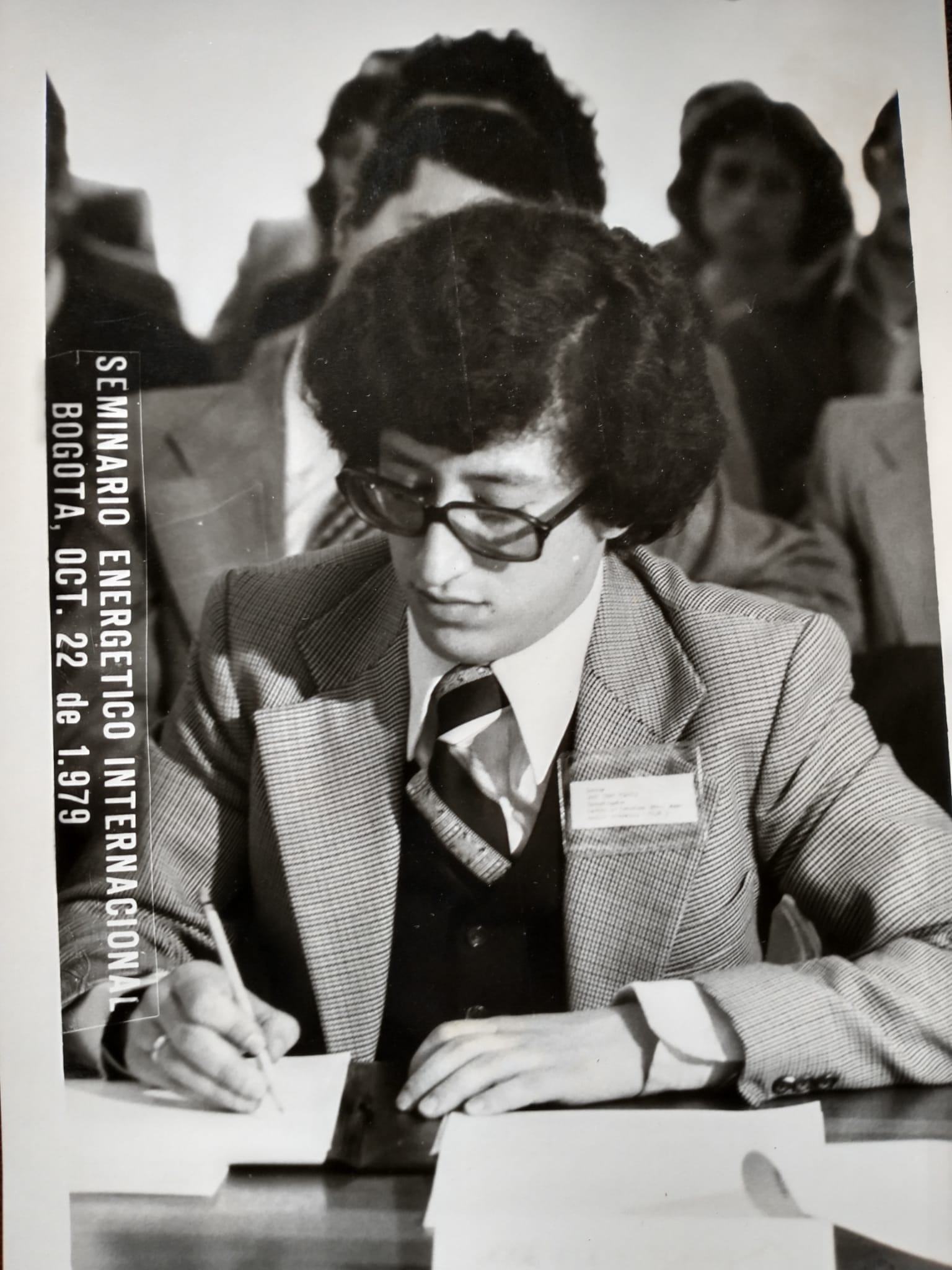
José Eddy Torres was both.
For decades, he shaped communities, institutions, projects, and lives. Today, three years after his passing, his flame is still alive. It lives on in the territories he traveled, in the people he mentored, and in the questions he taught us to ask. It endures because, for José Eddy, energy was never simply a matter of cables or infrastructure. Above all, it was a matter of human dignity.
Long before the energy transition, energy communities, or territorial development became part of public discourse, JET was already advancing a simple yet powerful idea: energy begins with people.
That is why he distrusted easy solutions. He understood that bringing electricity to a community was only the beginning, and that what truly mattered was what that energy made possible: studying after sunset, strengthening livelihoods, preserving food, accessing information, expanding opportunities, and building a future.
His friend and longtime colleague Gerardo Chávez often recalls a phrase that captures perfectly the way José Eddy understood energy:
“There is little point in bringing light bulbs to the countryside if the farmer is only going to switch on the light to look for a candle.”
The remark carried both humor and truth. José Eddy understood that a technical solution only acquires value when it improves people’s lives. That was always his compass: technology in the service of people, territory as the starting point, and energy as a tool for expanding possibilities.
That is why he left his mark on rural communities, universities, public institutions, social organizations, and energy projects across Colombia. Yet his deepest legacy lies beyond the reports he wrote, the methodologies he helped develop, or the projects he supported. It lives in a way of thinking that he planted in hundreds of people and that continues to bear fruit today.
Those who worked with him remember his intellectual rigor, his insatiable curiosity, and his remarkable ability to ask the question no one else was asking. He believed in fieldwork, in evidence, in direct conversation, and in the need to understand reality before attempting to transform it. He knew that every territory has its own story to tell. And he knew how to listen.
That is why he moved comfortably between universities and Indigenous communities, institutional meetings and rural schools, specialized audiences and conversations under the shade of a tree. Knowledge, for him, was never about distance or prestige; it was about usefulness. His interest was never in theory for its own sake, but in its ability to improve people’s lives.
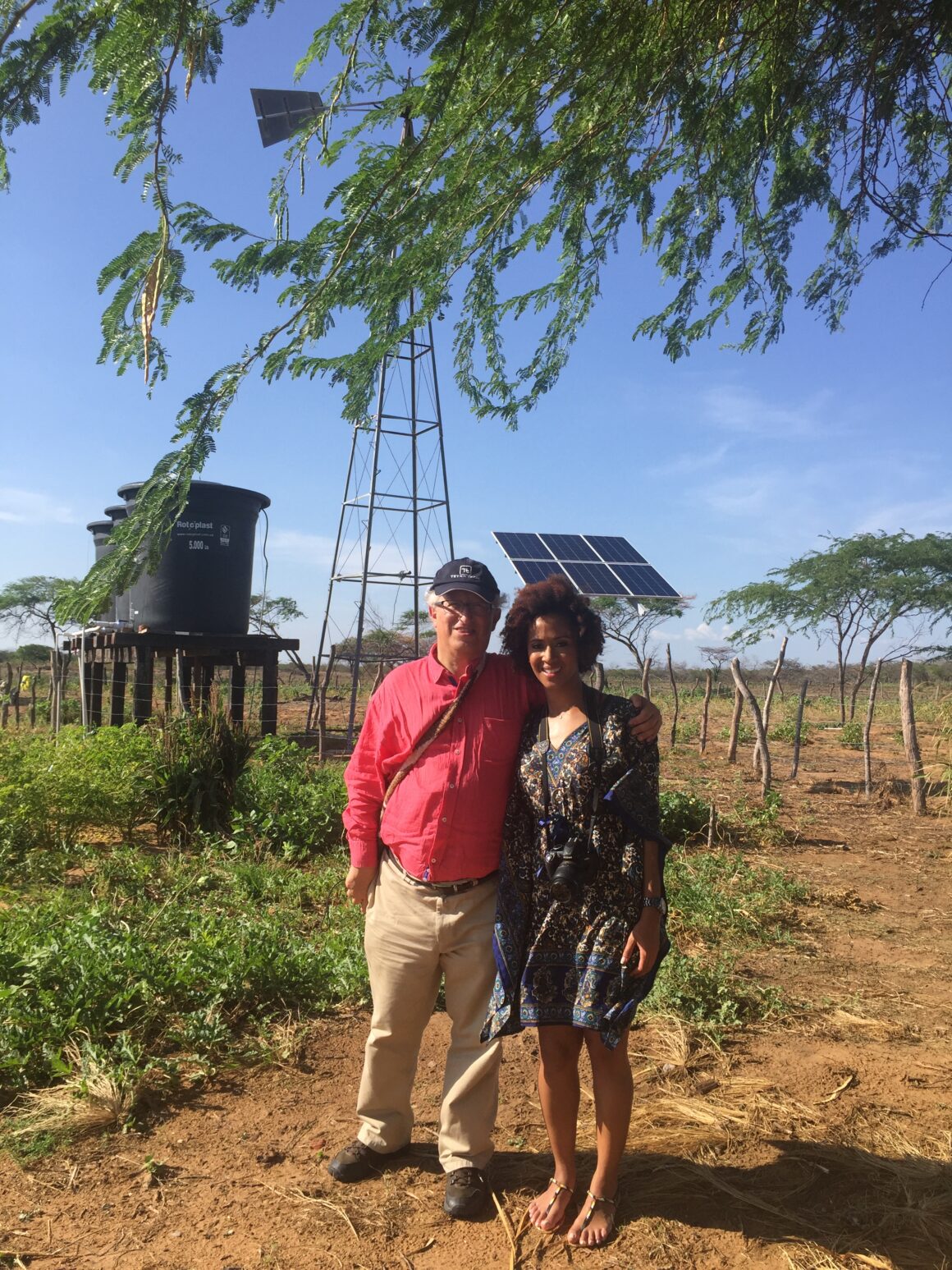
José Eddy Torres and Edna Liliana Valencia in La Guajira. For JET, energy was never just about infrastructure; it was a tool for expanding opportunities and transforming lives.
Sin embargo, quedarse en su dimensión profesional sería perder de vista una parte esencial de la historia.
Yet focusing only on his professional achievements would overlook an essential part of the story.
José Eddy was also a humanist. A careful observer of people. A man who enjoyed long conversations, good stories, spirited debates, and a song shared at the end of a working day. He understood that development is built through infrastructure, certainly, but also through culture, trust, knowledge, and human connection.
I traveled roads, auditoriums, communities, and stages alongside José Eddy. I watched him discuss rural electrification with the same passion he brought to a conversation after a concert. I saw him defend a technical idea with absolute rigor and, a few hours later, celebrate life with the joy of someone who understood that knowledge finds its fullest meaning when it is shared.
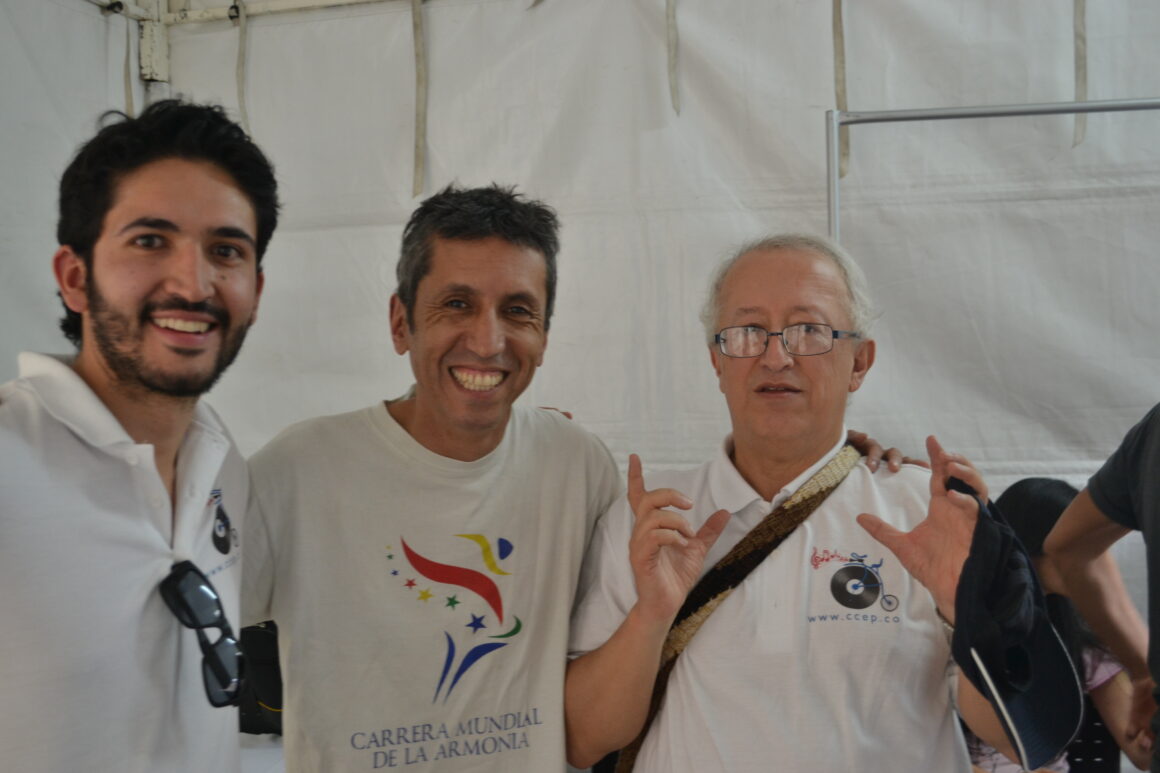
Primavera Fest, Medellín. José Eddy Torres alongside Juan Quiroga and Héctor Buitrago of Aterciopelados. For JET, energy and culture were different expressions of the same force: the one that brings people together around a shared purpose.
He loved music. He loved to dance. He loved bringing people together around a table. More than once, we found ourselves working on projects where energy and culture shared the same stage. It never seemed like an unusual combination. To him, they were expressions of the same force: the ability to connect people and transform realities.
Perhaps that is why he inspired such deep affection. Behind the researcher, consultant, and professor stood a man genuinely interested in others. Someone who taught with generosity, challenged people with respect, and combined rigor with an uncommon warmth.
Today, as Colombia discusses energy communities, a just energy transition, universal access, and territorial development, it is worth remembering that many of these debates build on foundations laid by people like José Eddy long before they became public priorities or political agendas. He understood early on that energy could not be measured solely in megawatts, kilometers of transmission lines, or electrification statistics. It also had to be measured in opportunities, capabilities, and well-being.
Clean Energy is part of that story. More than a decade ago, it began with an idea championed by José Eddy Torres: creating a space to discuss energy without losing sight of people, territories, and development. Over time, that conversation evolved into a platform for information, analysis, and dialogue that today connects voices, experiences, and initiatives across multiple countries. Yet its spirit remains unchanged: the conviction that energy finds its highest purpose when it improves lives and expands opportunities.
Energy changes form, but it never disappears.
Perhaps that is why José Eddy is still here.
He remains present in the communities he helped strengthen, in the professionals he mentored, in the projects he helped imagine, and in the institutions he helped transform. He remains present in the conversations about energy, territory, and development that continue to shape the future—conversations that now seem indispensable and that he was already advancing decades ago with the same blend of intellectual rigor, curiosity, and practical wisdom that defined him.
Perhaps that is why his legacy remains so relevant.
José Eddy understood something that is still essential today: the most valuable form of energy is not the one that lights a house, but the one that expands what a life can become.
He devoted much of his own life to doing exactly that.
And so, when we speak of him, absence never quite prevails. What remains is something else: an ongoing conversation, a lesson that continues to find new paths, and a flame that, far from fading, continues to light the way forward.
His flame lives on. ⚡