An immersion in the technological wave already rewriting the rules.
The first gesture was to offer up my face.
No ID card. No name. Just a glance at a machine.
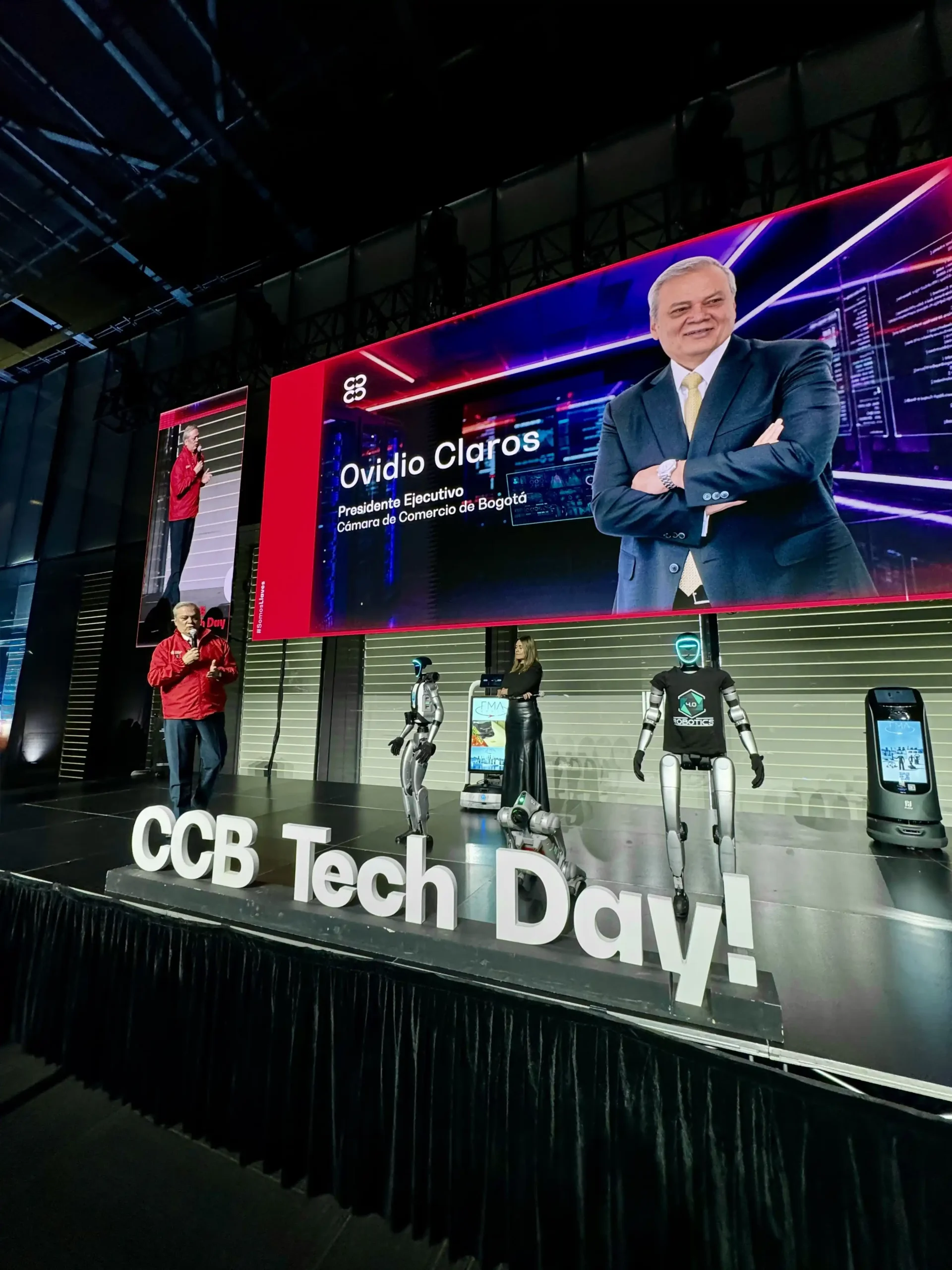
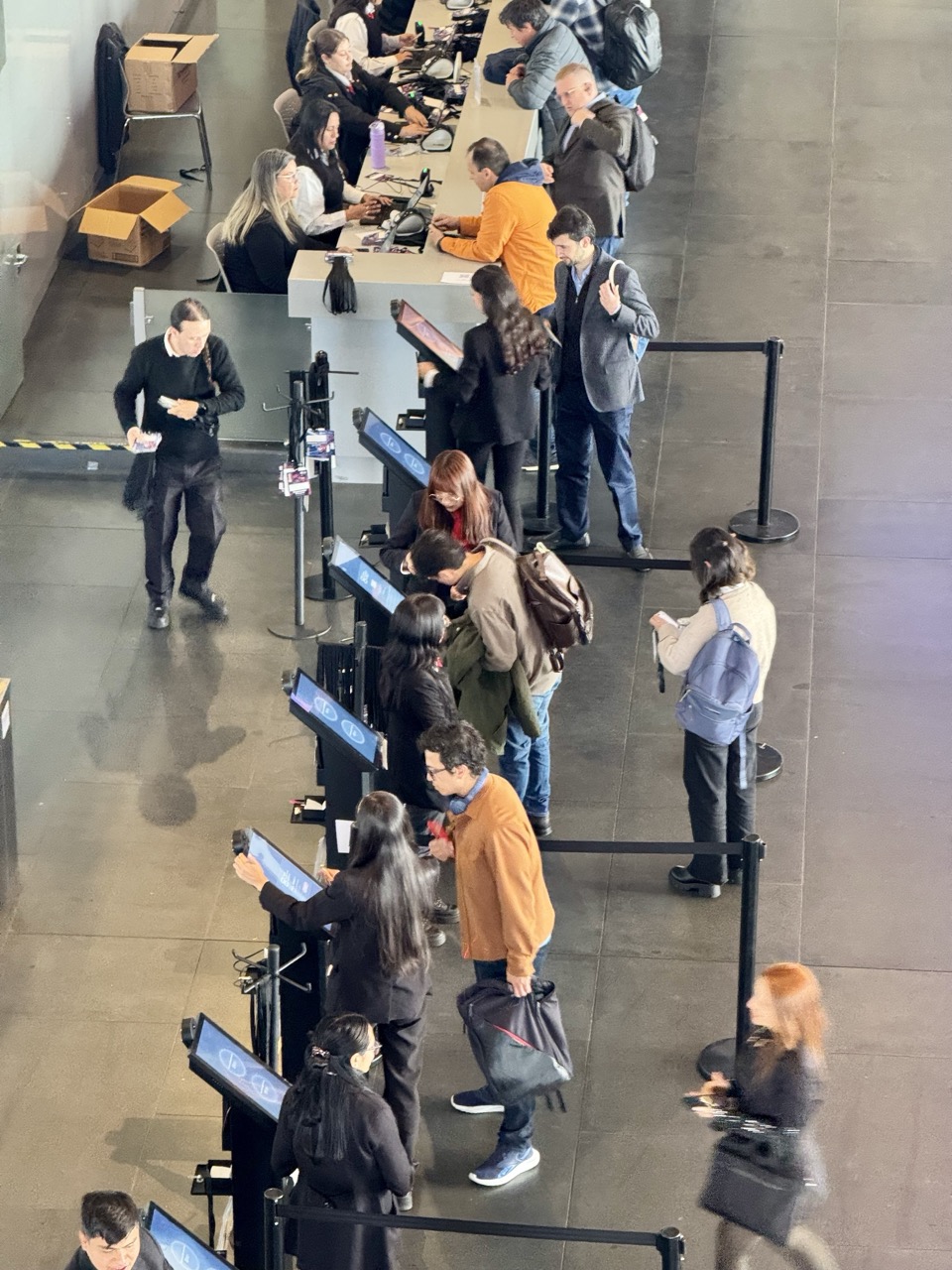
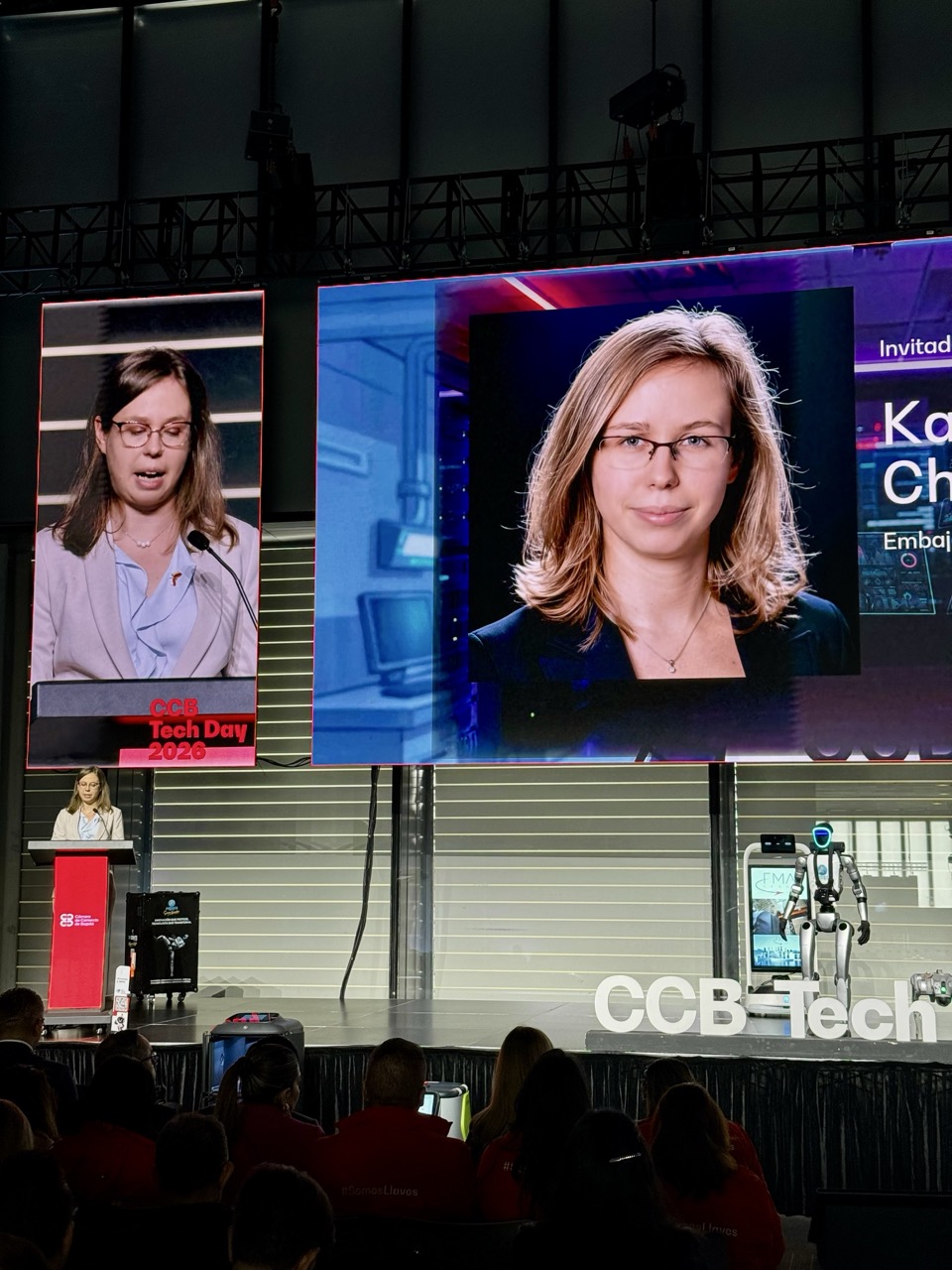
At the entrance to CCB Tech Day 2026, held on July 23 at Ágora Bogotá, biometric registration verified my identity and opened the doors to the event. It looked like a simple logistical convenience. It contained something more: for a moment, my body had become the password.
Identity confirmed.
Proceed.
I crossed the threshold with the feeling that I had arrived in the future. It took only a few minutes to realize the word no longer worked. Artificial intelligence writes, diagnoses, codes and converses. Robots walk, inspect factories and rehearse dance moves. Synthetic biology treats life as a system that can be read, edited and perhaps rewritten.
The science fiction of the pre-internet age prepared us for giant machines, floating cities and computers sealed inside spacecraft. Change would arrive with a roar, under flashing red lights, announced by a metallic voice informing us that we had lost control.
Reality chose a quieter script: it turned the extraordinary into routine before we had time to notice.
The most disruptive tool of our time fits inside a phone, answers politely and asks for permission to use the microphone. The monster no longer breaks down the door.
It asks us to accept cookies.
A wave inside the building
In 2023, Mustafa Suleyman—co-founder of DeepMind and now CEO of Microsoft AI—published The Coming Wave with Michael Bhaskar. The book places two forces at the heart of this transformation: artificial intelligence and synthetic biology. Robotics completes the movement: intelligence leaves the screen, acquires a body and begins to act upon the world.
Suleyman calls the challenge of maintaining control over tools that are becoming more powerful, affordable, accessible and difficult to stop the “containment problem.”
We need them to fight disease, confront the climate crisis and raise productivity. Yet every solution casts a shadow. The AI that helps design a medicine can also make it easier to design a pathogen. The autonomous system that inspects a pipeline can select a military target. The model that broadens access to knowledge can manufacture lies on an industrial scale.
The wave rises when these technologies begin to amplify one another.
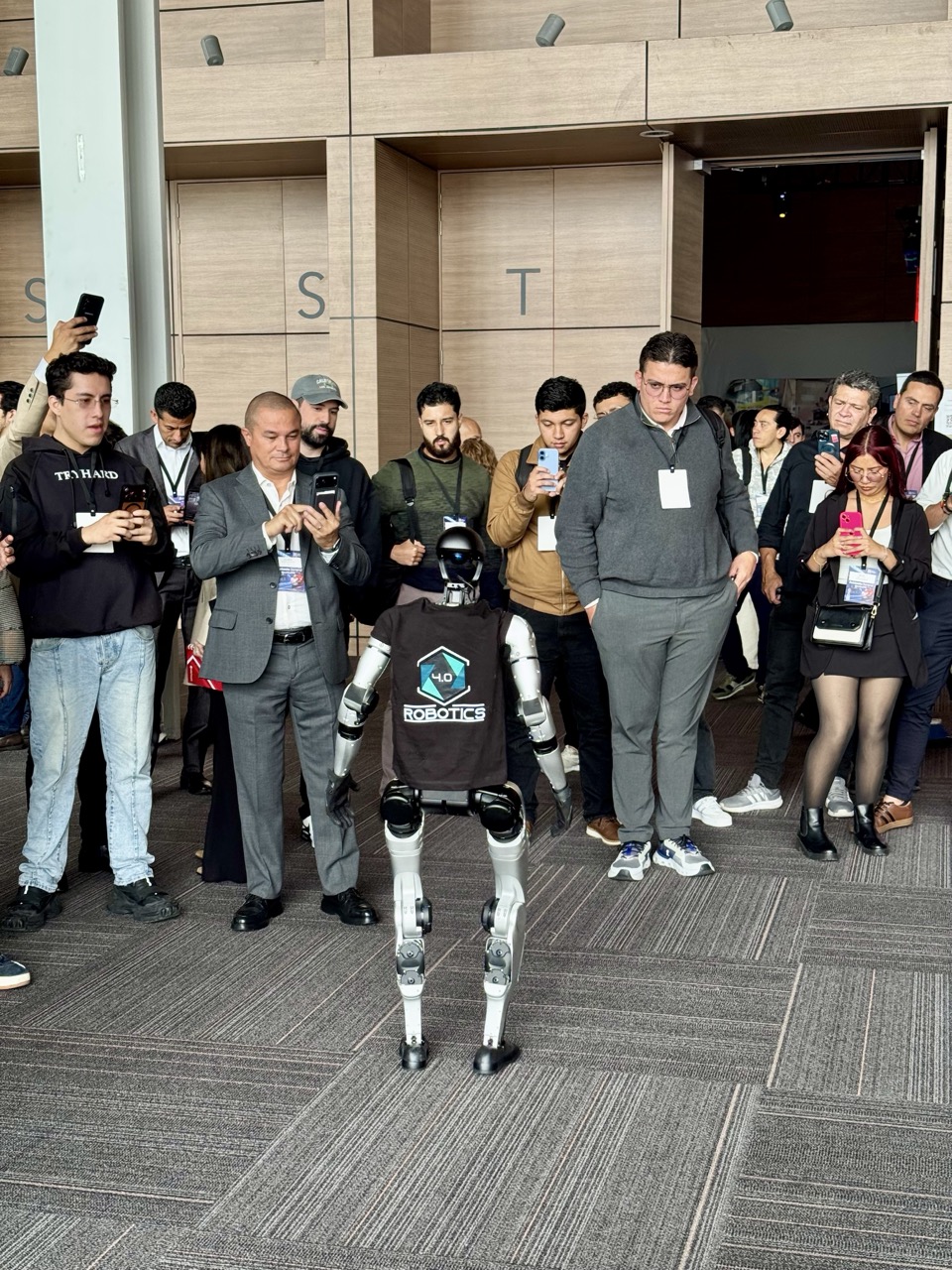
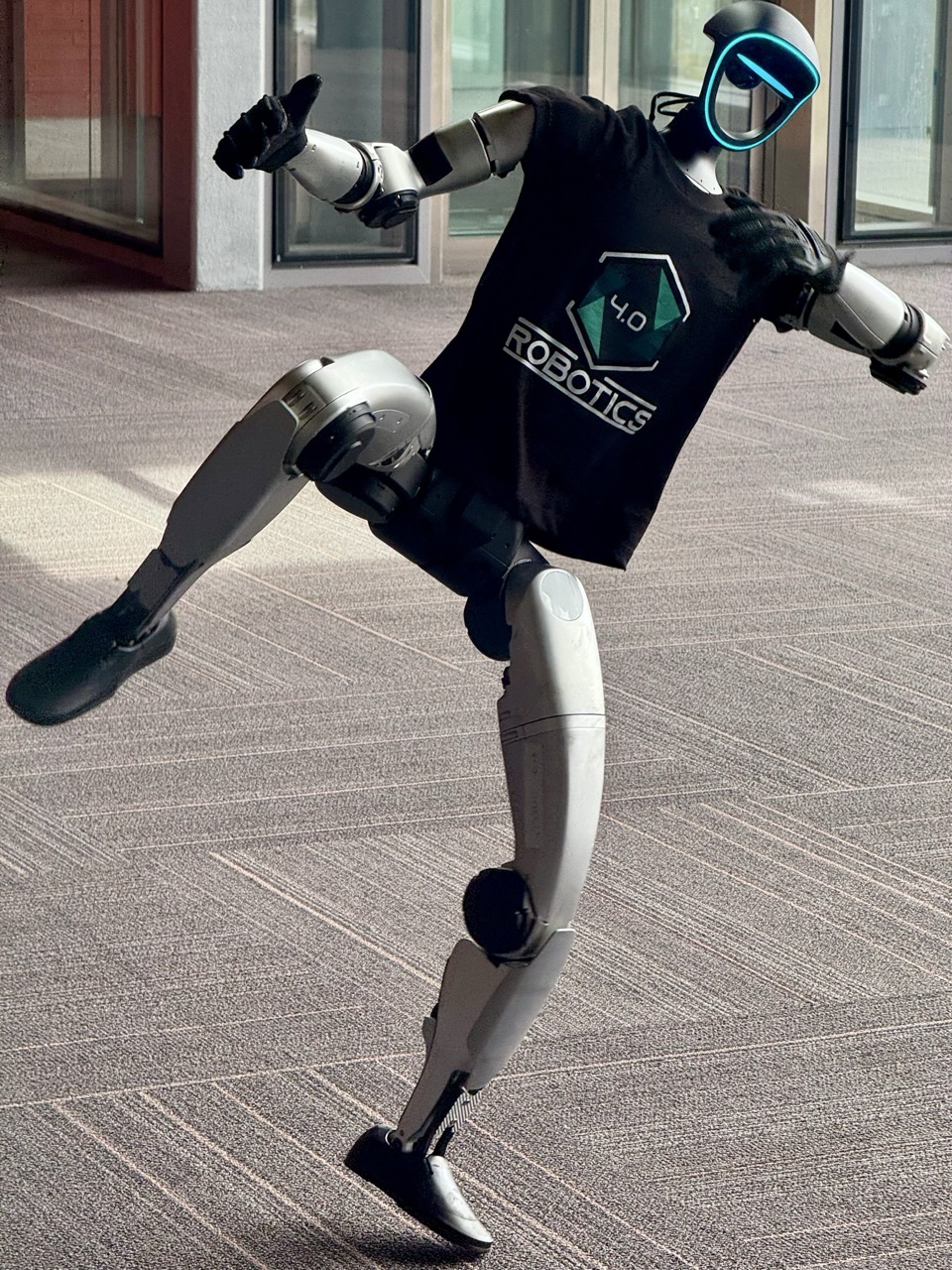
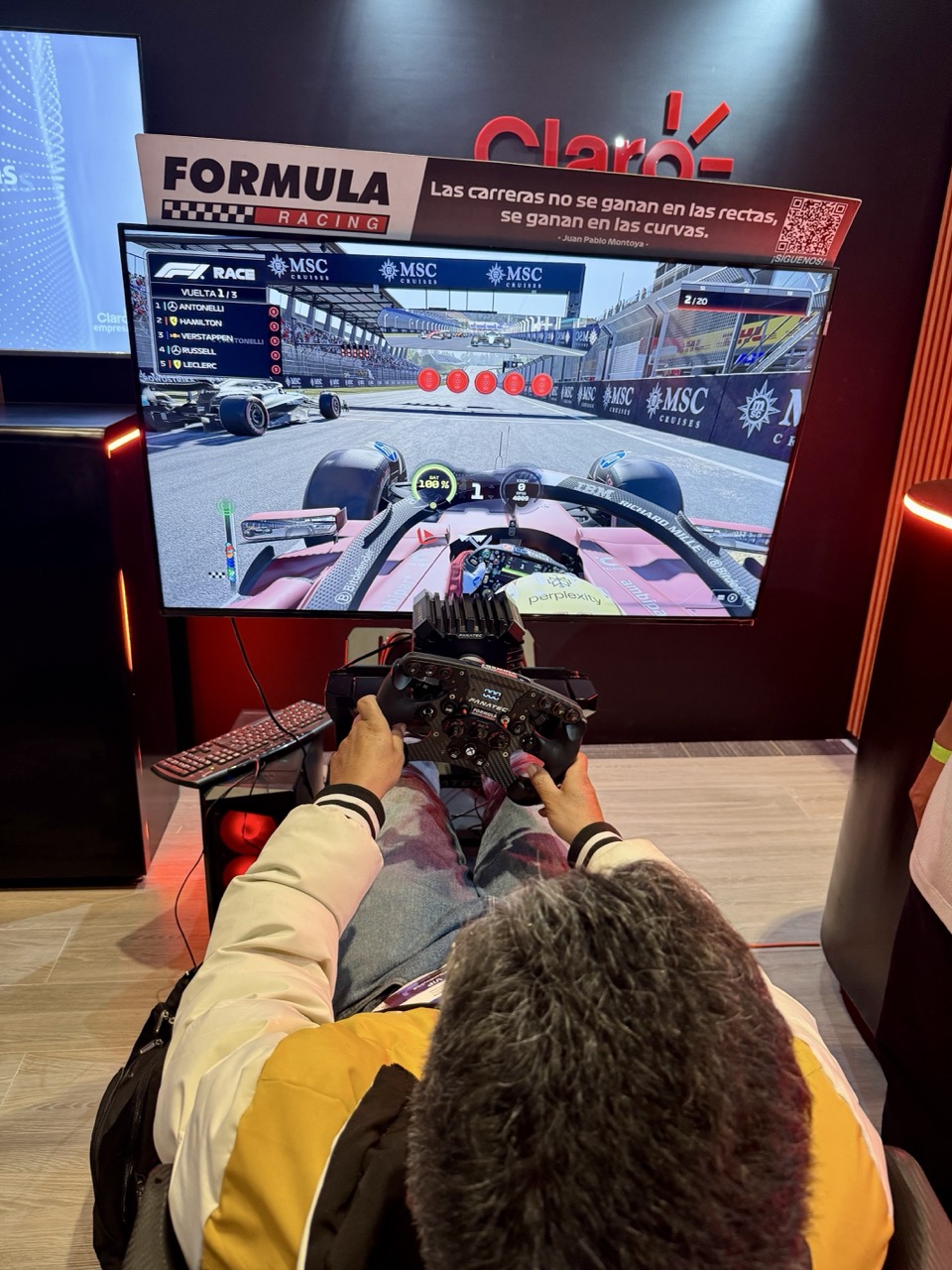
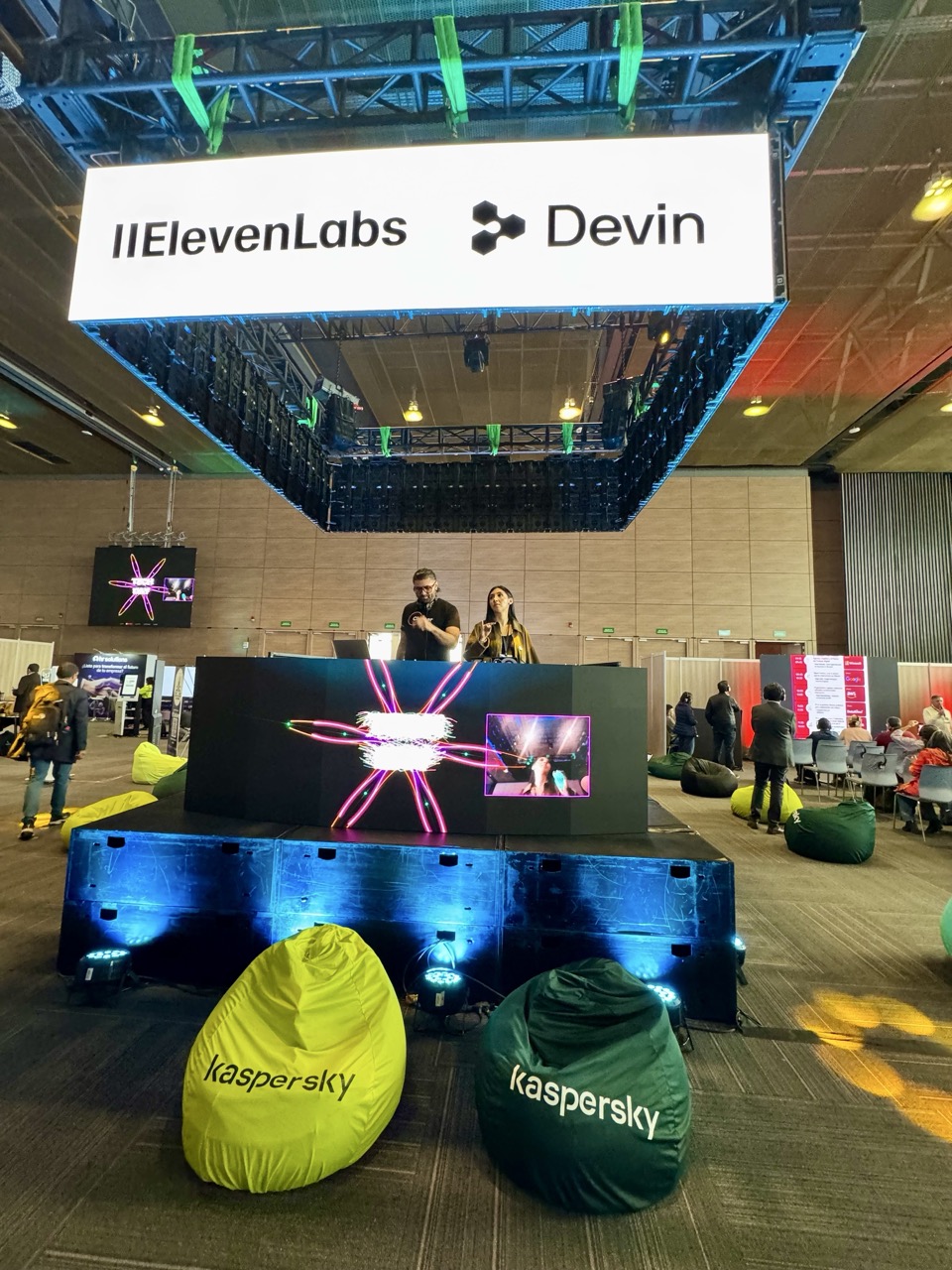
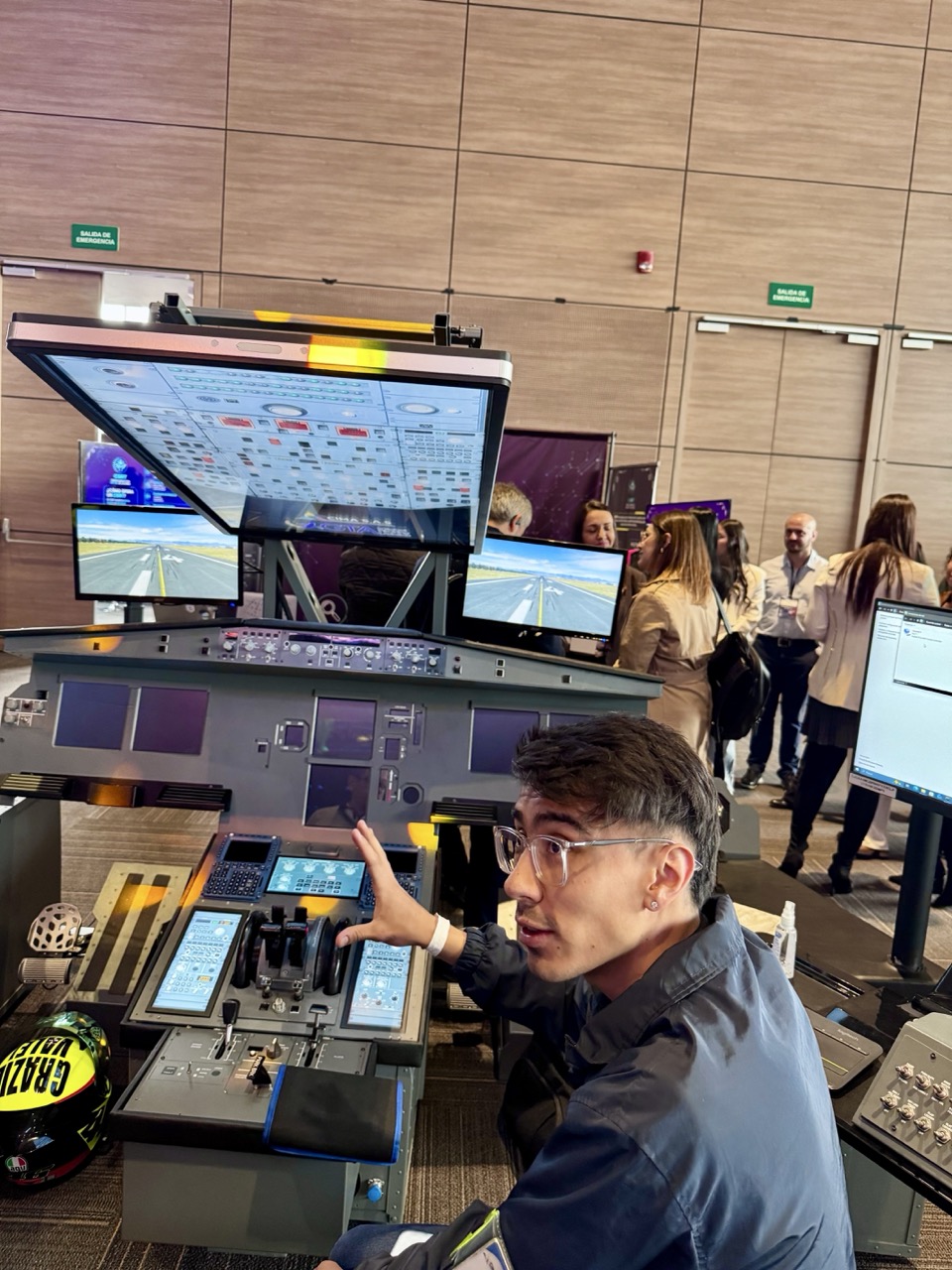
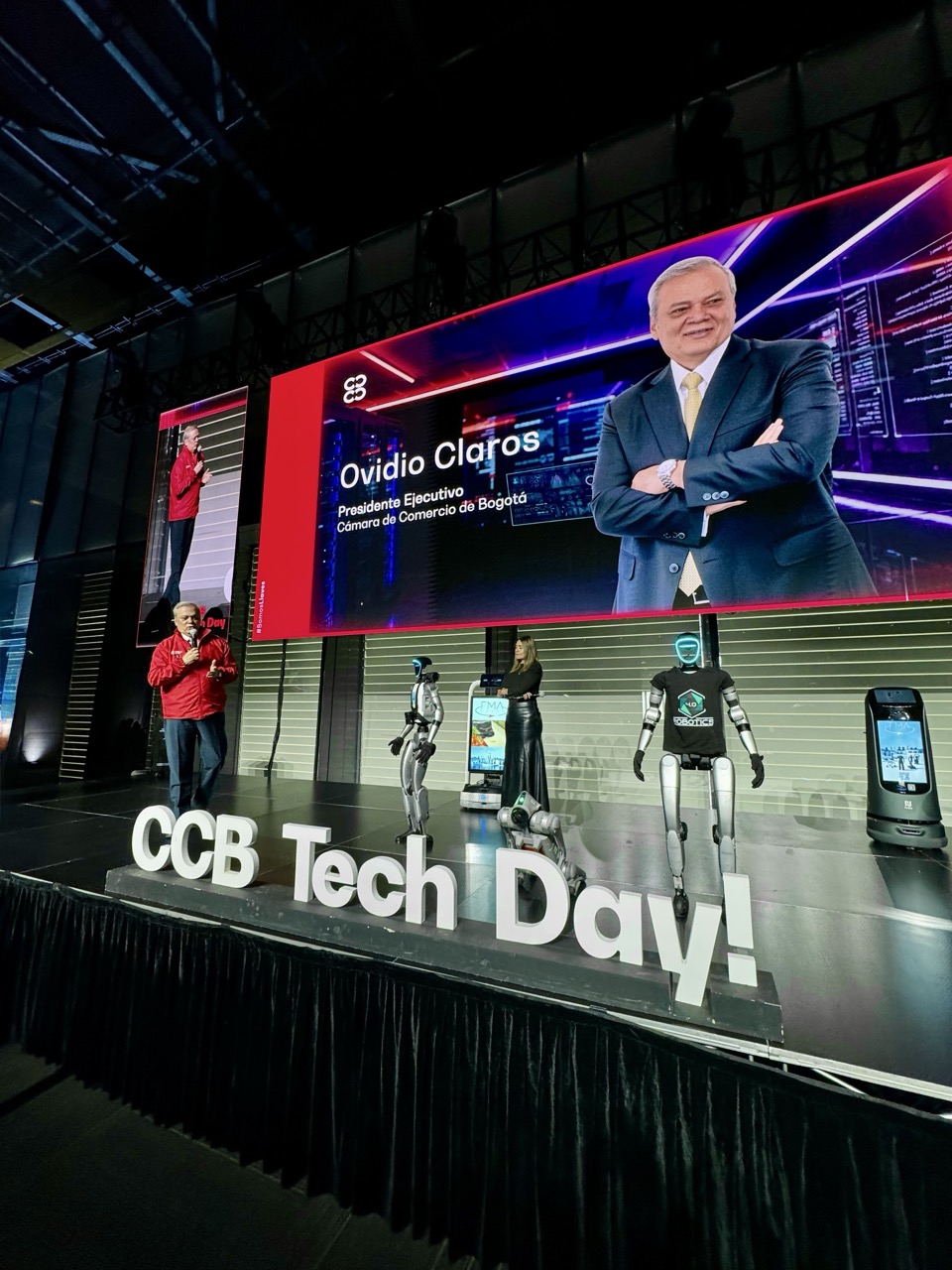
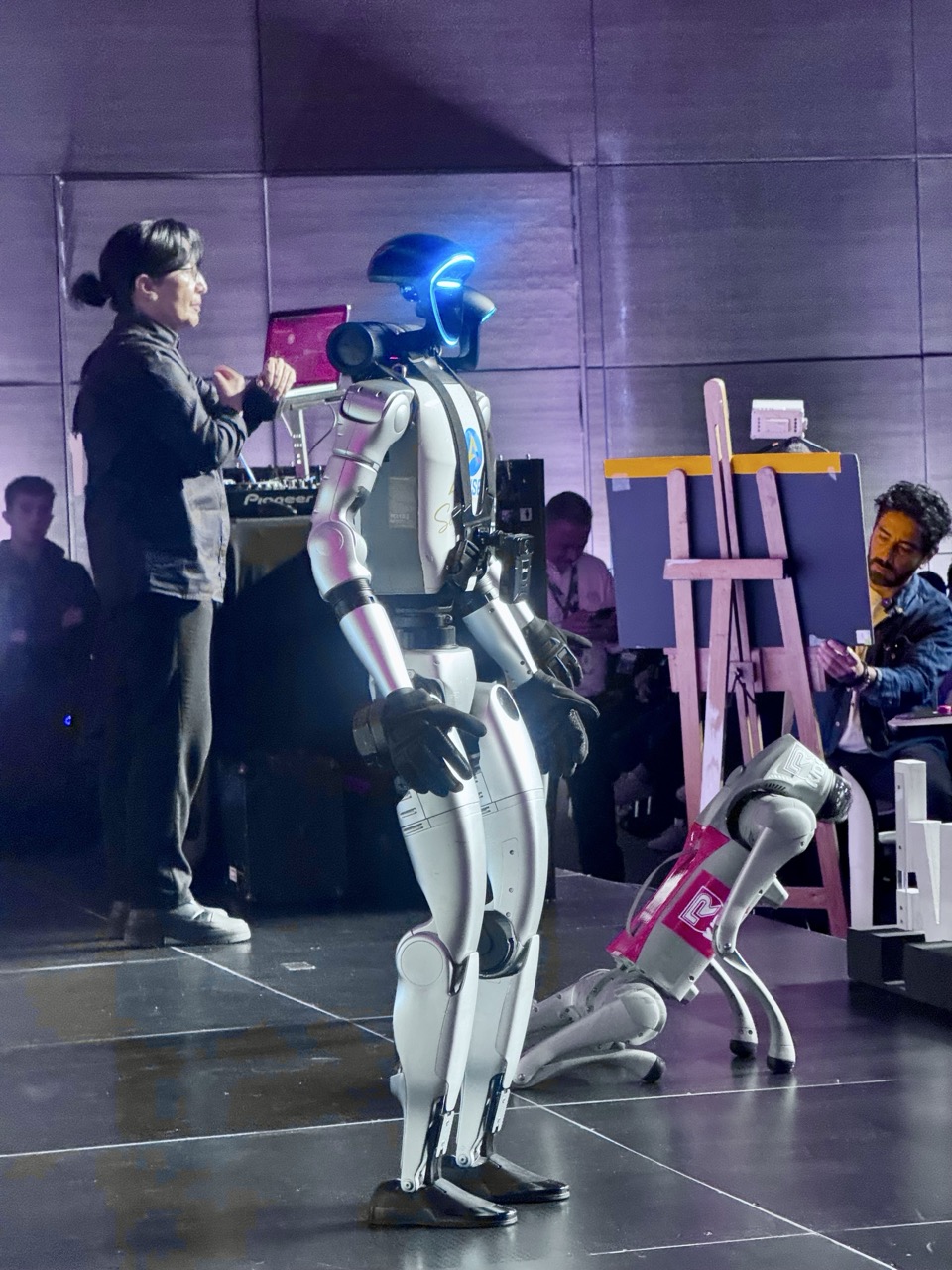
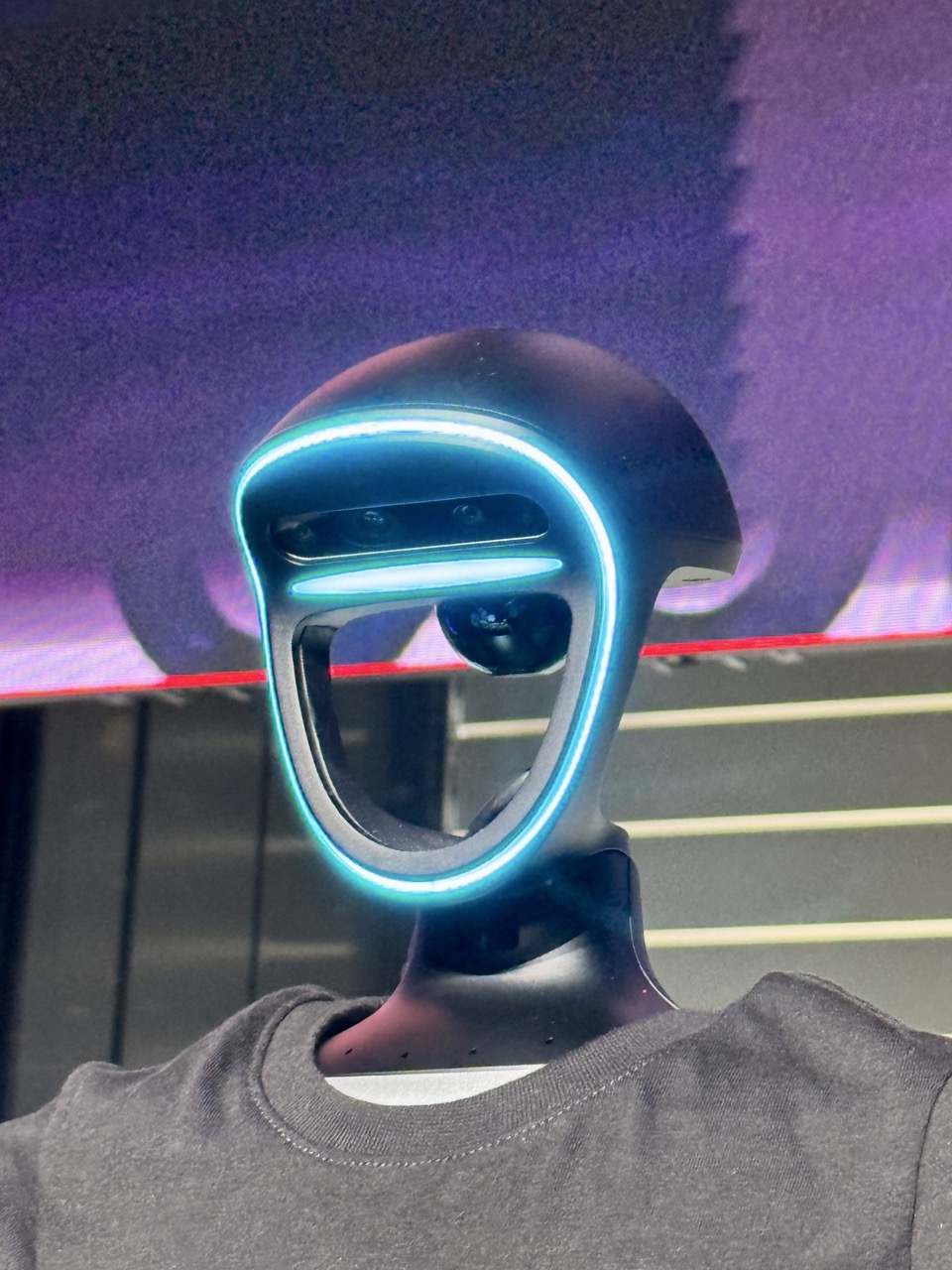
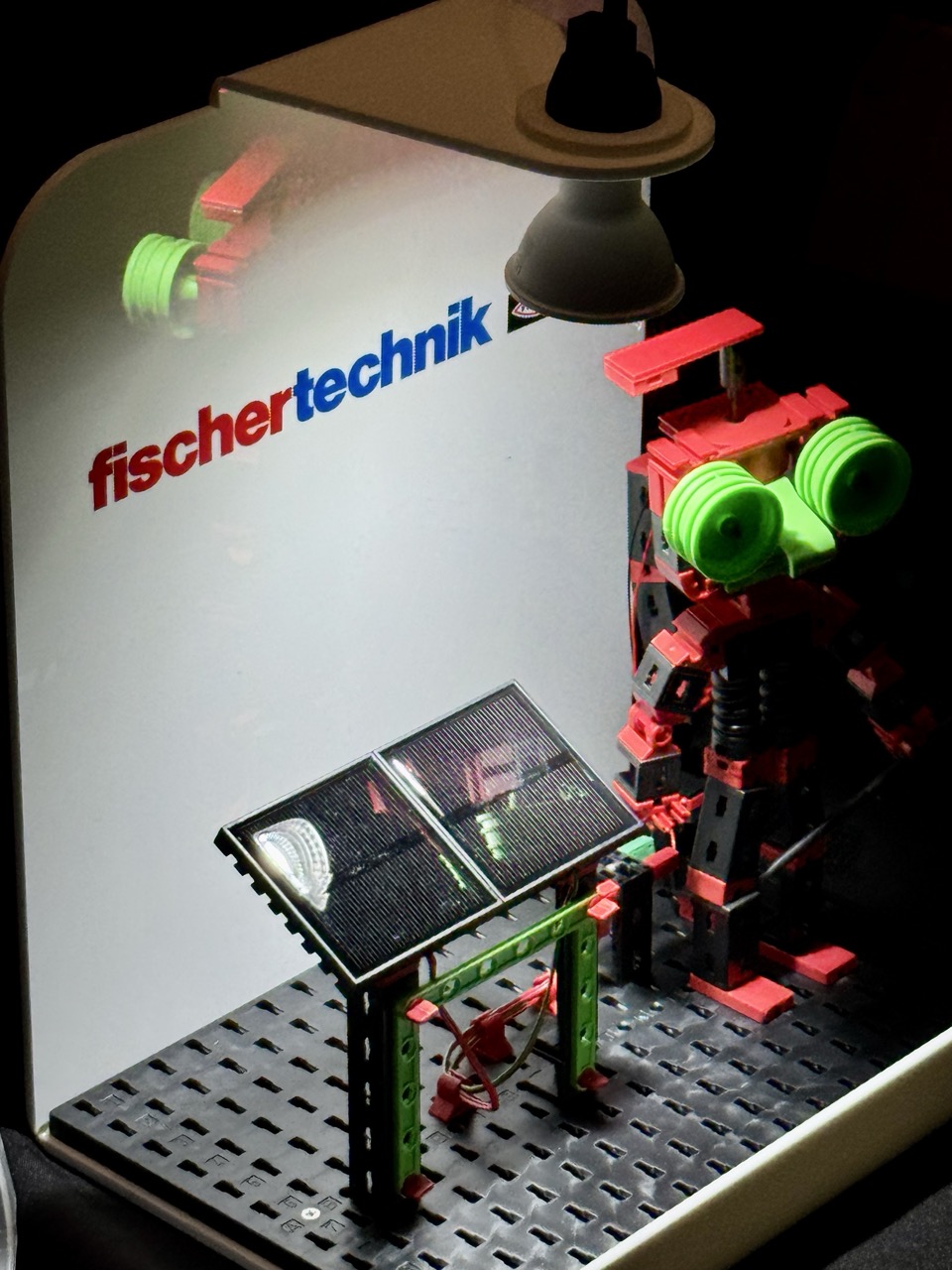
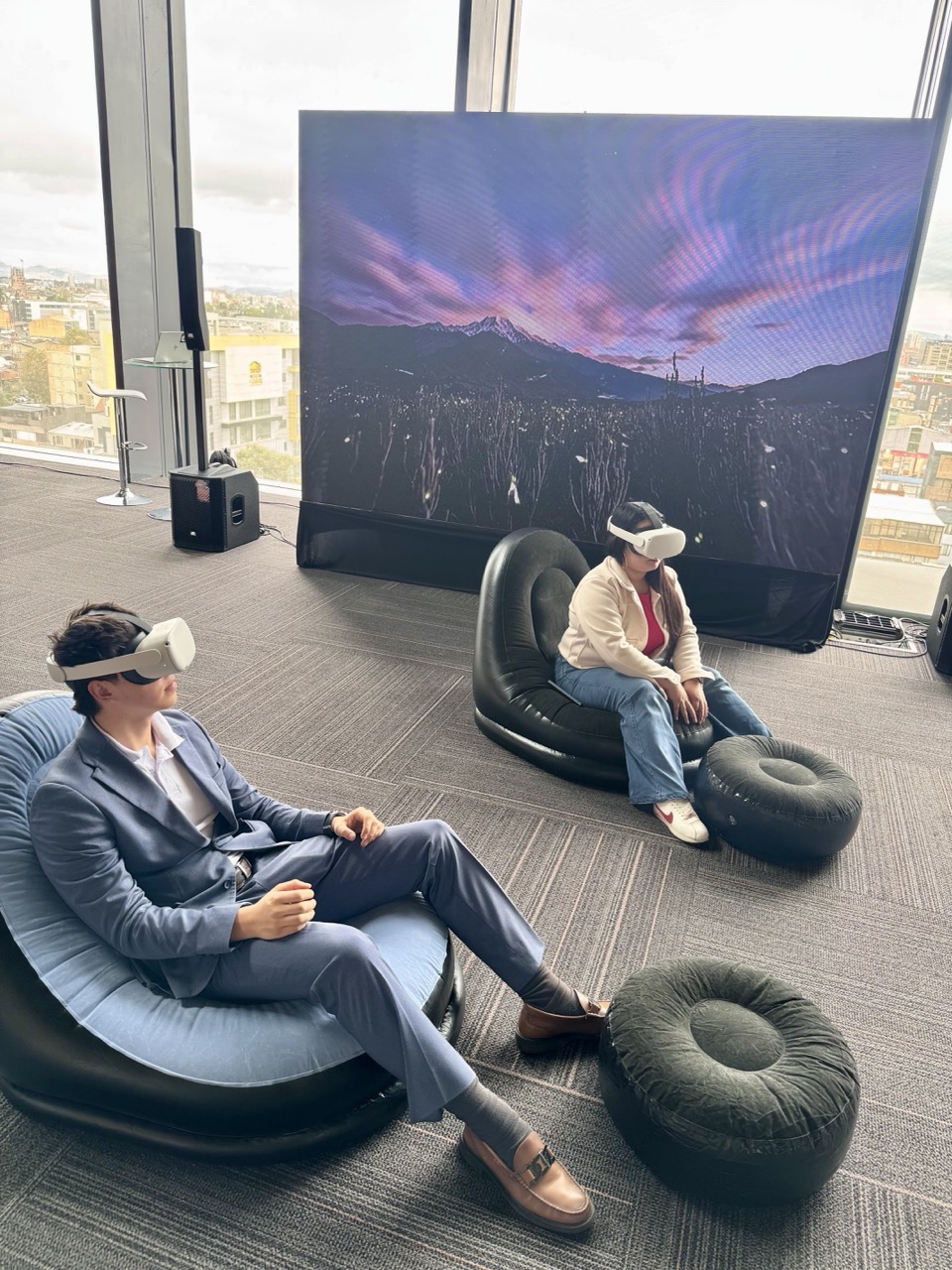
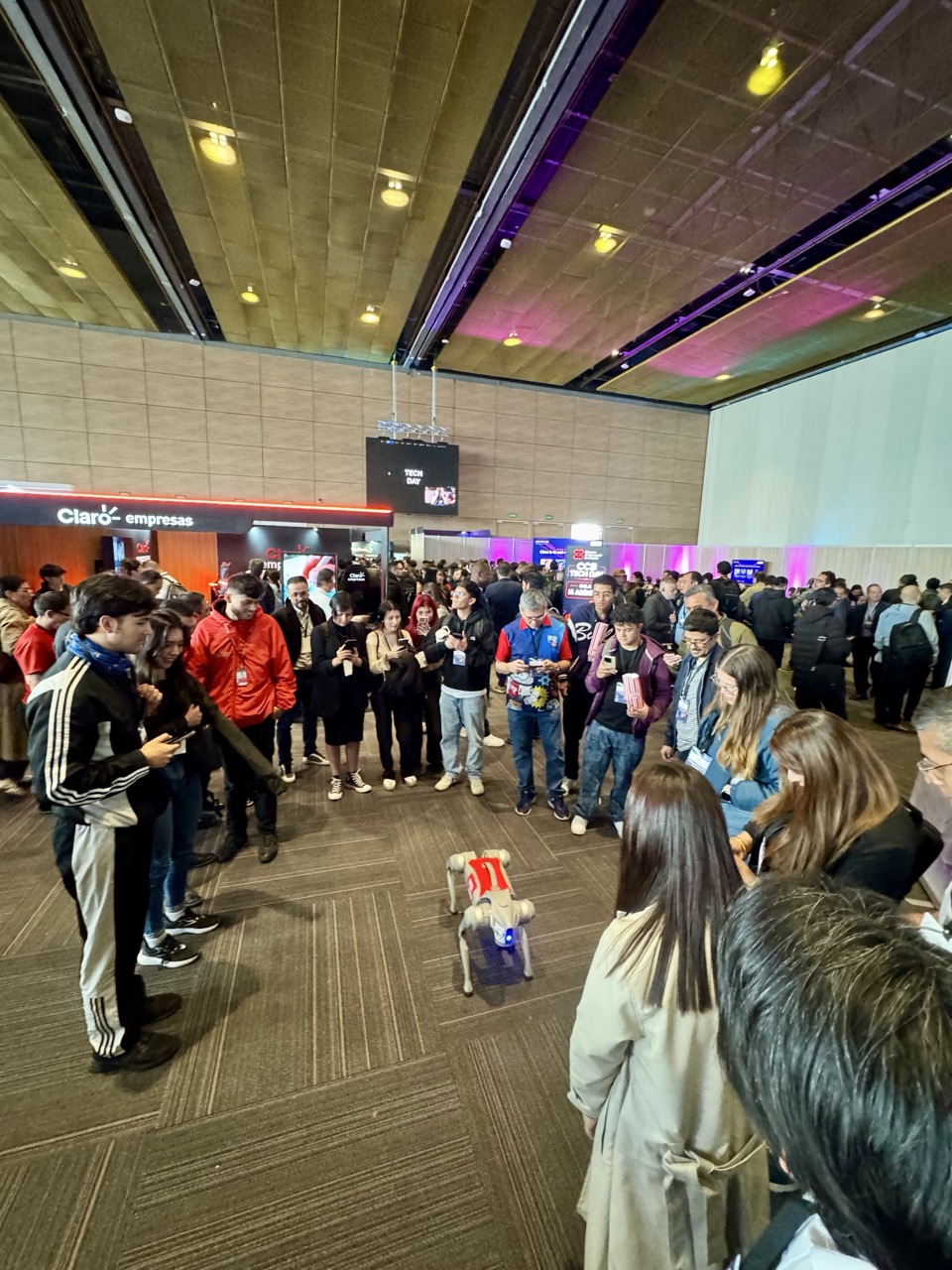
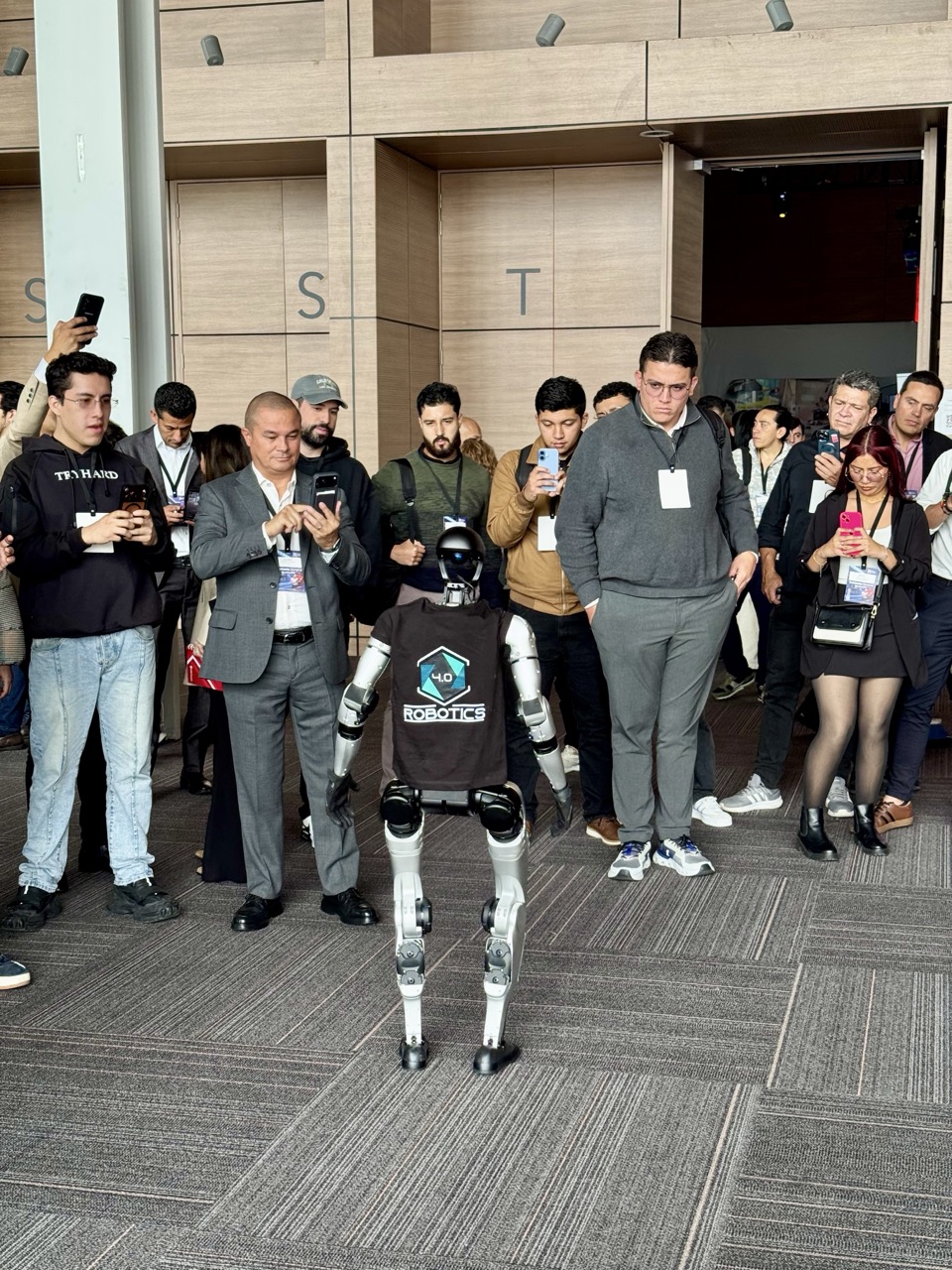
At Ágora, that convergence was visible: flight and Formula 1 simulators, virtual reality, cybersecurity, quadruped robots and humanoids dancing before the crowd.
The hall felt like an inverted zoo. The new species occupied the center while we humans gathered around them, fascinated and wary, phones held aloft. Every movement of the robot dog, every clumsy—or unexpectedly fluid—step of the humanoid triggered a small ritual of screens. We watched them as curiosities, though they would not remain curious for long.
The most revealing thing was not the robots.
It was us, watching them.
And there was reason to stare. In a single year, some AI agents went from completing 20 percent of the real-world computer tasks in a specialized benchmark to 77.3 percent. They no longer merely answer questions: they receive an objective, operate a computer, execute commands and correct their own errors.
The curve cannot continue as a straight line. Even so, it forces the question: if this is happening in 2026, what will these systems be able to do in 2027, 2028 or 2030?
Not knowing is part of the vertigo.
In barely three years, generative AI reached nearly 53 percent of the world’s population. It entered our homes without a body, through the phone, the search engine, email, the office and schoolwork. We adopted it because it was useful. Almost without noticing, we began handing over small, everyday decisions.
The physical world offers more resistance. In some domestic benchmarks, robots successfully complete only about 12 percent of assigned tasks. Inside an ordinary room, they must recognize objects, calculate distances and respond to the unpredictable: a half-open door, a toy on the floor, a cat crossing their path.
A model can analyze millions of data points in seconds, while a robot loses its battle with a wrinkled shirt.
Intelligence accelerates.
The world keeps its creases.
None of this is virtual
Virtual reality contained a paradox: it revealed how much physical reality the immaterial requires.
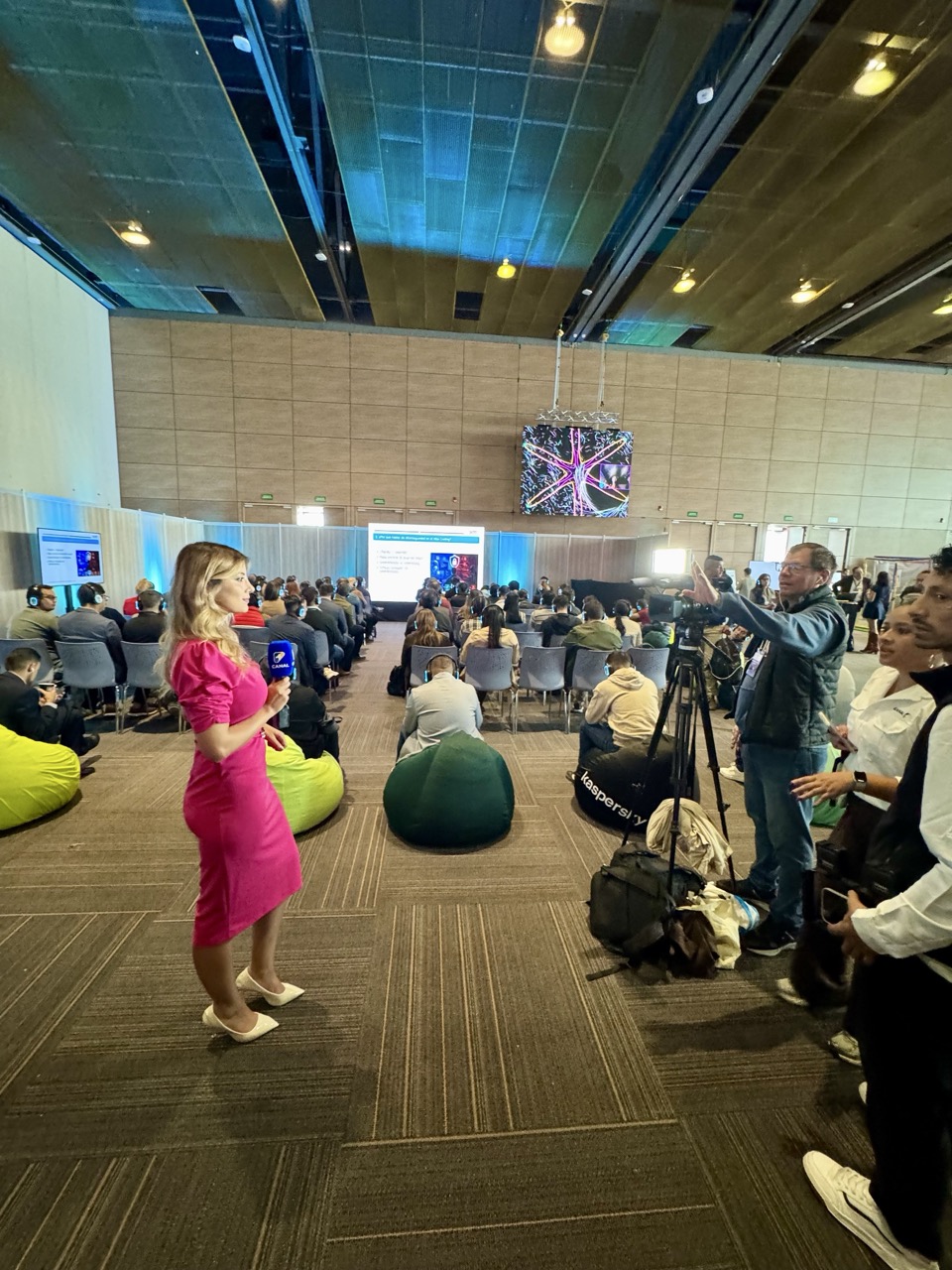
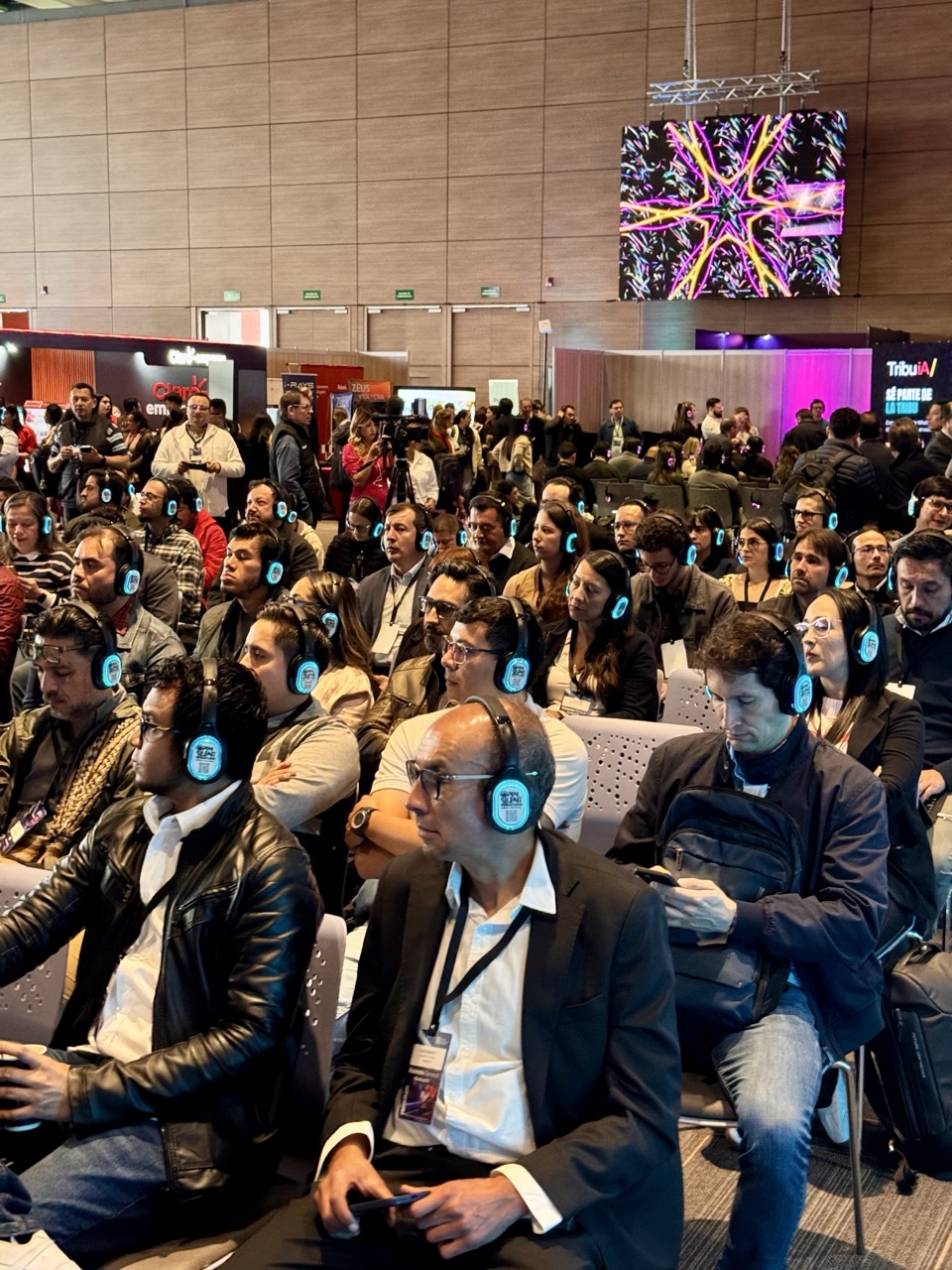
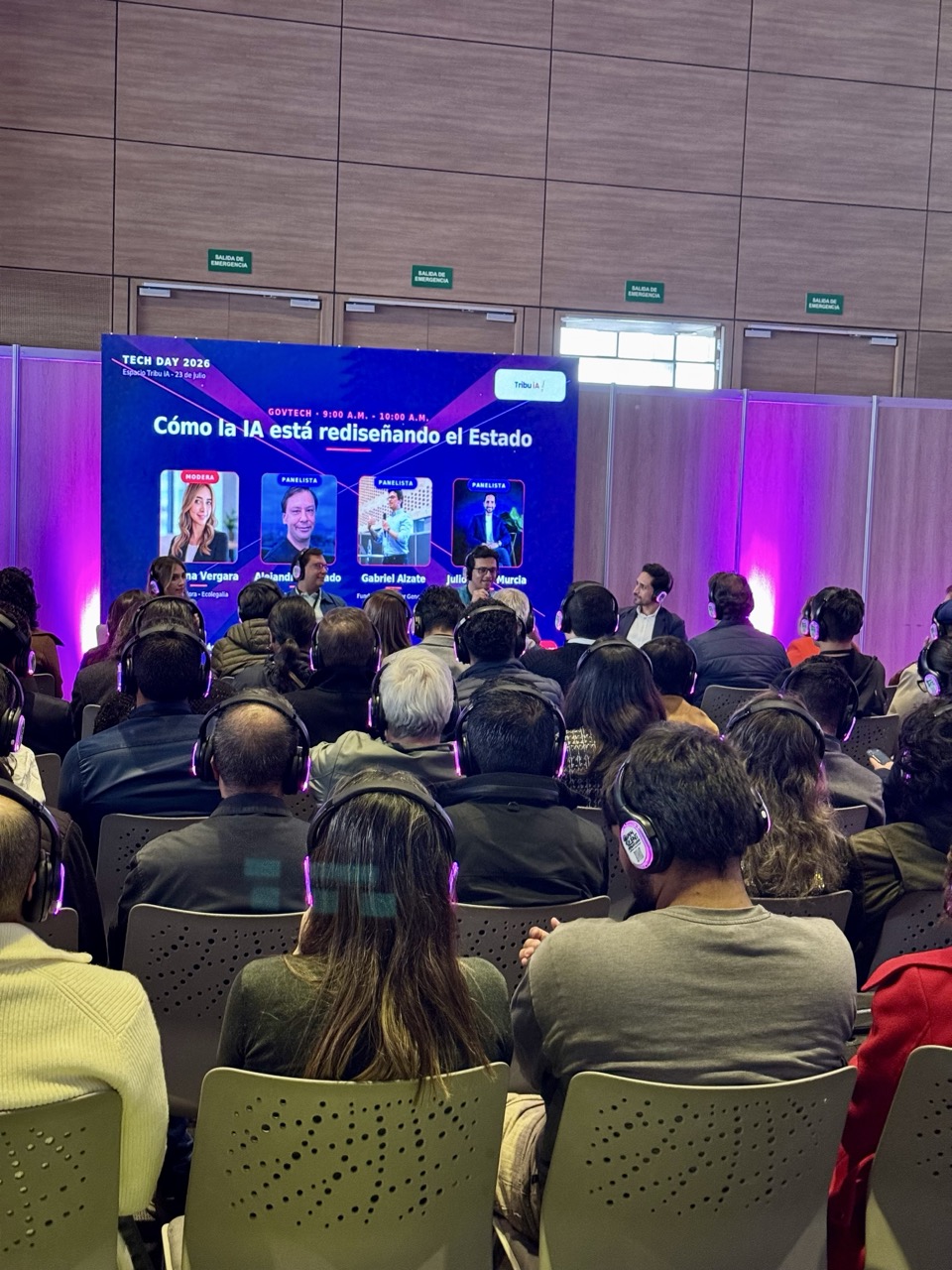
Amid the noise, several stages operated simultaneously through wireless headphones. Switching channels was enough to move from cybersecurity to artificial intelligence, from digital government to business, without building walls or fighting for the air.
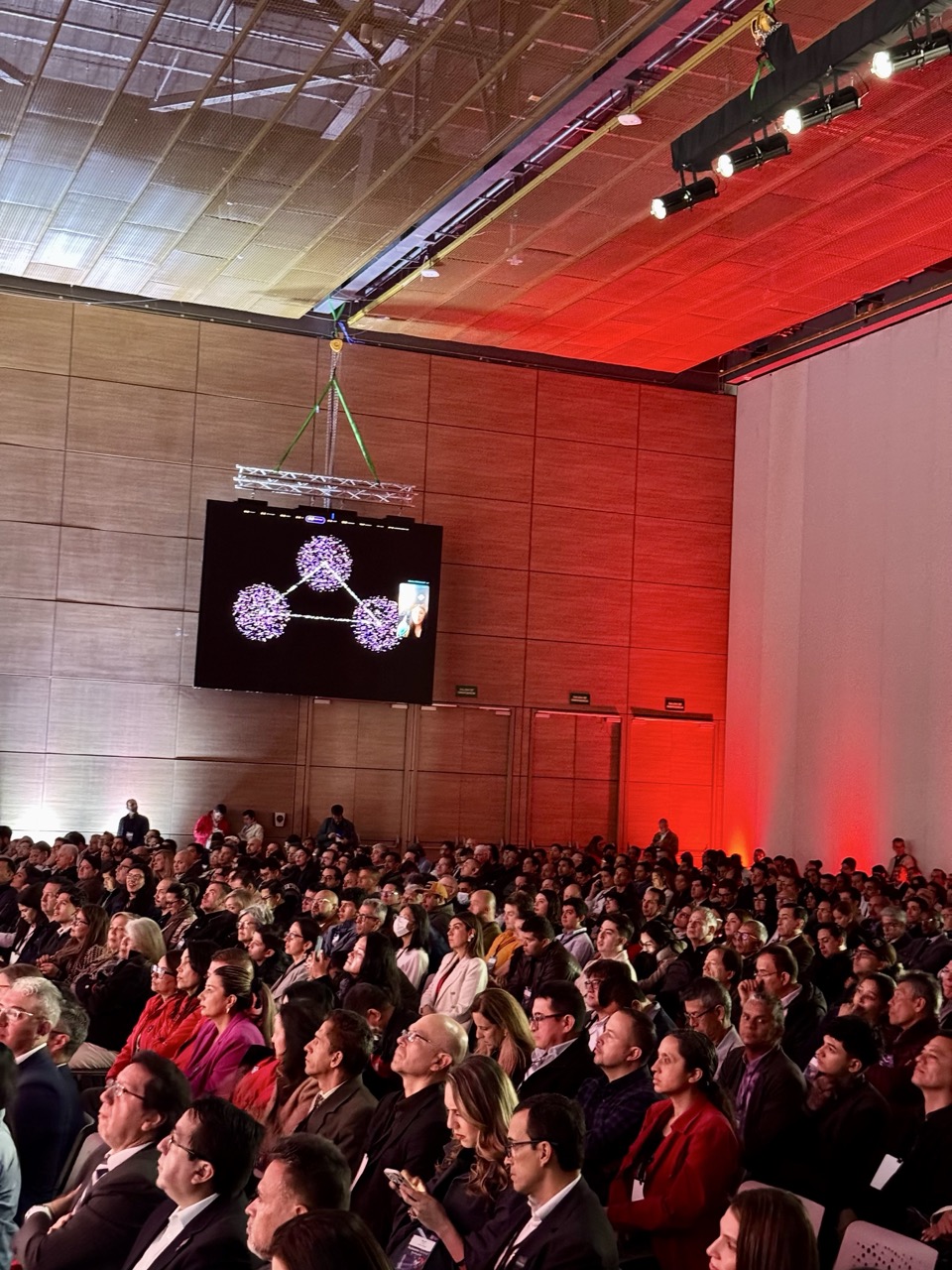
Hundreds of people shared the same space while listening to different worlds.
Babel, with a channel selector.
The innovation solved one problem and revealed another.
Every answer generated by artificial intelligence depends on data centers, semiconductors, minerals, cooling systems, water and power grids. Every seemingly weightless sentence ends as heat.
The International Energy Agency estimates that global electricity consumption by data centers could exceed 945 terawatt-hours by 2030—more than Japan consumes today and nearly eleven times Colombia’s total electricity demand in 2025.
The answer arrives in seconds; the infrastructure runs on a different clock. A data center may enter service in two or three years. Building a new transmission line takes between four and eight.
The machines are learning faster than we can build the grids to feed them.
The question, then, is not only what artificial intelligence will be able to do. It is also who will power it, with which resources, at what cost and for whose benefit.
That is why sustainability cannot be reduced to the environment. It has four inseparable dimensions: the economic, which tests viability and the distribution of costs and benefits; the environmental, which measures the use of energy, water and materials, as well as emissions; the social, which asks who participates, who is excluded and who gets to decide; and the technological, which demands effectiveness, security and resilience.
These dimensions are not interchangeable. If one fails, the whole ceases to be sustainable. A system may be profitable but destructive; clean but exclusionary; fair but unviable; effective but vulnerable.
We can accelerate and still move in the wrong direction.
One signal is already appearing in the labor market. After analyzing millions of payroll records in the United States, researchers found a relative 16 percent decline in employment among workers aged 22 to 25 in the occupations most exposed to artificial intelligence.
This is not the end of work.
The staircase is still standing; its first steps are beginning to disappear.
And work is only one front. The deeper transformation may be unfolding inside laboratories.
For decades, we programmed computers. Now we are beginning to program cells.
The combination of artificial intelligence, automation and gene editing is reshaping the laboratory. In 2025, an autonomous platform improved two enzymes through four experimental rounds completed in four weeks. Speed was not the only breakthrough: the system took part in the entire cycle—proposing, testing, analyzing and trying again.
The machine no longer merely calculates life. It is beginning to experiment with it.
This capability could produce medicines, food, biomaterials and microorganisms that break down pollutants. It could also enable malicious uses, errors that resist containment and organisms whose effects cross the laboratory walls.
A failed program still offers an exit: switch it off.
A laboratory-designed organism, once released, may reproduce, mutate and spread.
Outside the laboratory, there is not always a way to stop it—or an “undo” button capable of erasing what it has done.
The greatest surprise was waiting at the end
Throughout the day, I tried to distinguish demonstration from utility, and utility from promise. Testing and questioning were the only ways to keep wonder from turning into obedience.
Several companies working at the leading edge of artificial intelligence, robotics, cybersecurity and automation offered visitors two screenless, battery-free, offline technologies: a notebook and a pen.
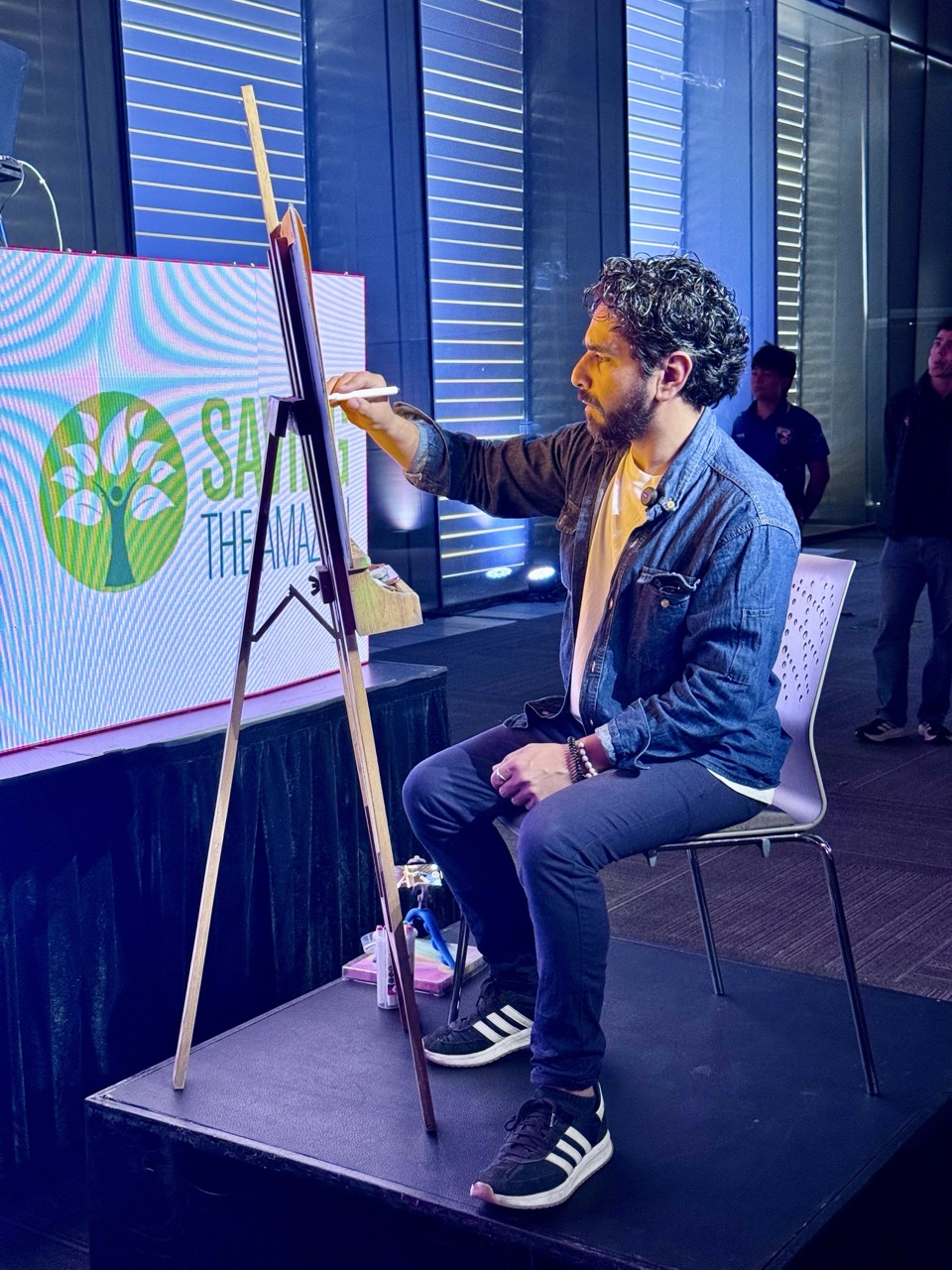
They might have looked like ordinary promotional gifts. I am a writer: I do not leave home without them. Among the sensors, algorithms and dancing robots, that blank surface was no relic. It was the most familiar way I know to think.
Writing by hand changes the rhythm. An intuition must travel through the body before becoming a sentence. Thought hesitates, the pen stops, one word replaces another. On paper, the error does not vanish: it is crossed out and leaves a trace. Thinking also means remembering where we went wrong.
The notebook is not infallible either. It preserves mistakes as faithfully as discoveries and can be lost with both inside. Its value lies elsewhere: it does not answer for us. It forces us to choose the words.
As I write these lines, an artificial intelligence is working with me. I ask it to verify a figure, examine a sentence or find a repetition. It corrects me; I correct it. It proposes, I reject, we argue and begin again. Sometimes it finds a word I could not see. At other times, it is wrong with remarkable confidence.
We write together, though not from the same place. The machine did not pass through the biometric gate, watch the robots dance or fill a notebook at Ágora.
I did.
It broadens the search, accelerates verification and puts my ideas under pressure. The experience, the final decisions and the byline remain mine.
For now.
Perhaps we will design organisms and entrust some of our decisions to autonomous agents. Even then, we will need to frame a question, draw a map, write down a doubt or pursue a sentence until we understand what we were trying to say.
I left Ágora with the same notebook I had carried in, now filled with questions and crossed-out words. My face opened the door; my hand tried to understand what lay beyond it. Later, a machine helped me arrange the traces.
The future has already opened the door.
It is up to us to decide how we cross the threshold.
And that story—even if we reach Mars—will still be written by hand. Not because machines cannot write, but because we are still the ones accountable for what is written.
If a machine ever becomes capable of truly answering for its words, more than writing will have changed.
Will we still be writing history—or will we have entered, without noticing, one written by machines?
Sources
Bogotá Chamber of Commerce. “CCB Tech Day 2026: Agenda, Stages and Event Overview.”
https://techday.ccb.org.co/
Suleyman, Mustafa, and Michael Bhaskar. The Coming Wave: Technology, Power, and the Twenty-first Century’s Greatest Dilemma. Crown, 2023.
https://the-coming-wave.com/
Stanford Institute for Human-Centered Artificial Intelligence. Artificial Intelligence Index Report 2026.
https://hai.stanford.edu/assets/files/ai_index_report_2026.pdf
International Energy Agency. Energy and AI. Paris, 2025.
https://www.iea.org/reports/energy-and-ai
Colombia’s Mining and Energy Planning Unit (UPME). Indicative Generation Expansion Plan 2025–2039 [in Spanish].
https://docs.upme.gov.co/SIMEC/Energia%20Electrica/PIEG/2025-2039/Plan_Generacion_2025-2039.pdf
Brynjolfsson, Erik, Bharat Chandar, and Ruyu Chen. Canaries in the Coal Mine? Six Facts about the Recent Employment Effects of Artificial Intelligence. Stanford Digital Economy Lab, 2025.
https://digitaleconomy.stanford.edu/publication/canaries-in-the-coal-mine-six-facts-about-the-recent-employment-effects-of-artificial-intelligence/
Singh, Nilmani, et al. “A Generalized Platform for Artificial Intelligence-Powered Autonomous Enzyme Engineering.” Nature Communications, 2025.
https://www.nature.com/articles/s41467-025-61209-y
Related reading
Correa Salazar, Juan Daniel. “The Writer and the Machine” [in Spanish]. Energía Limpia, March 17, 2026.
https://energialimpia.co/es/el-escritor-y-la-maquina/