Soil underpins agricultural production, regulates water, stores carbon, and supports vast biological activity beneath the surface. Yet much of that foundation is under increasing pressure.
The FAO has warned that nearly one-third of the world’s soils are moderately to highly degraded due to erosion, compaction, salinization, acidification, and chemical contamination. The loss of organic matter and microbial diversity is also becoming a long-term productivity challenge.
That is one of the reasons why regenerative agriculture is gaining global attention. The discussion is no longer focused solely on increasing yields, but on sustaining productivity and resilience over time.
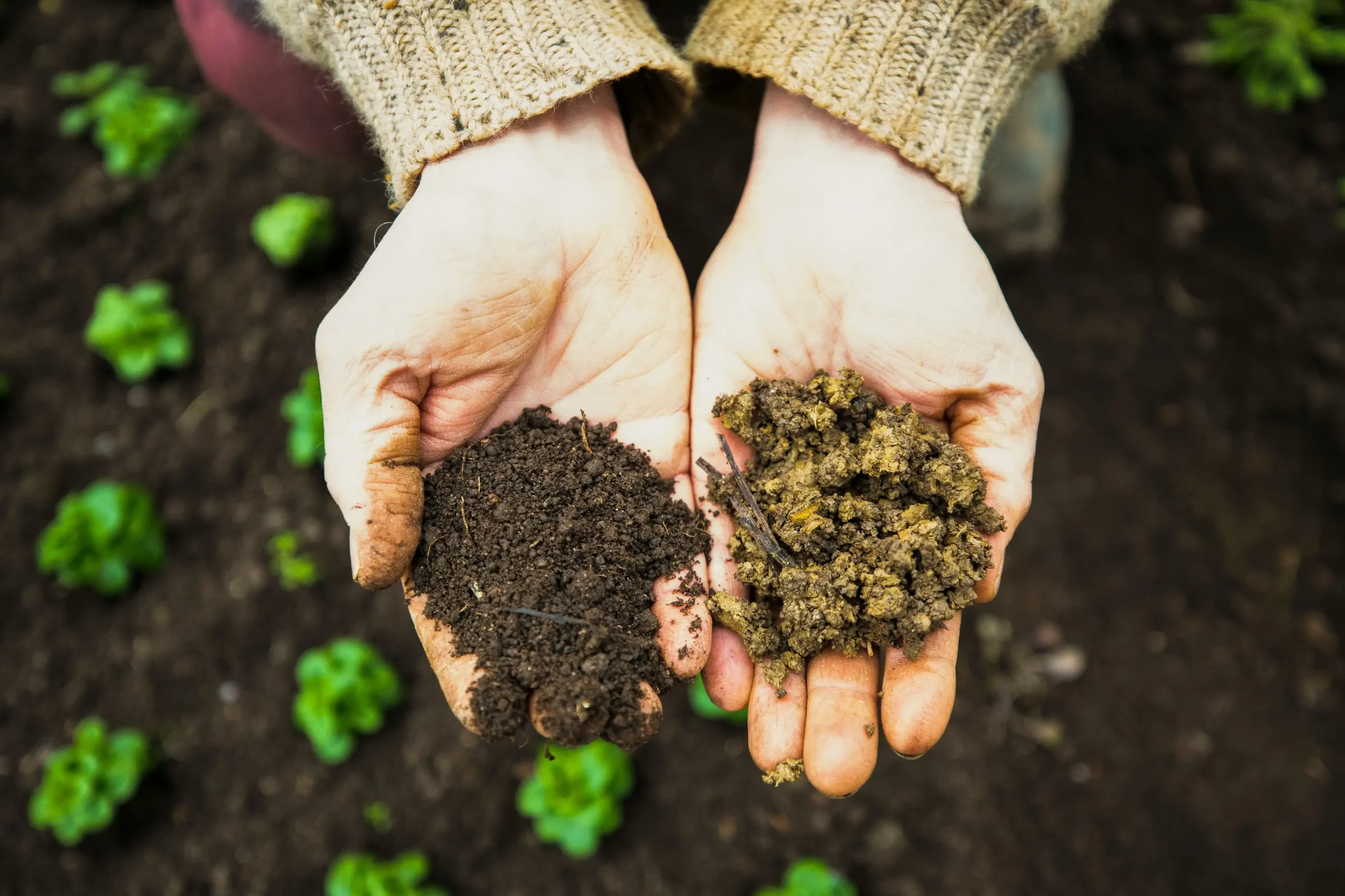
Its premise is straightforward: soil is not an inert medium. It is a living system.
Microorganisms, roots, minerals, fungi, water, carbon, and organic matter interact continuously below ground. That biological activity shapes soil fertility, water retention, structural stability, and the ability of crops to withstand environmental stress.
Regenerative practices vary depending on geography, climate, and crop systems, but they often include cover crops, crop rotation, reduced tillage, agroforestry integration, and more efficient organic matter management. The objective is not only to preserve soil, but to restore biological function and long-term productive capacity.
For Latin America, the issue is particularly relevant. The region combines strong agricultural potential, exceptional biodiversity, and growing climate pressure. In that context, soil health is becoming a strategic variable for productivity, food security, and territorial resilience.
The future of agriculture will likely depend not only on producing more, but on preserving the biological foundation that makes production possible in the first place.
Sources
- FAO — Status of the World’s Soil Resources Report
https://openknowledge.fao.org/server/api/core/bitstreams/6ec24d75-19bd-4f1f-b1c5-5becf50d0871/content - Nature Reviews / Agriculture — Regenerative agriculture and soil health
https://link.springer.com/article/10.1007/s43621-024-00662-z